
Exploring the Timeless Appeal of Ska Music
The Vibrant Rhythms of Ska Music
Ska music, with its infectious beats and lively melodies, has captured the hearts of music enthusiasts around the world. Originating in Jamaica in the late 1950s, ska is a genre that blends elements of Caribbean mento and calypso music with American jazz and rhythm and blues.
One of the defining characteristics of ska music is its upbeat tempo, typically marked by a strong offbeat rhythm on the guitar or keyboard known as the “skank.” This rhythmic pattern gives ska its distinctive sound and makes it almost impossible to resist moving to the music.
Throughout its history, ska has evolved into various subgenres, including rocksteady, reggae, and ska punk. Each subgenre adds its own unique twist to the traditional ska sound while staying true to its roots in Jamaican music culture.
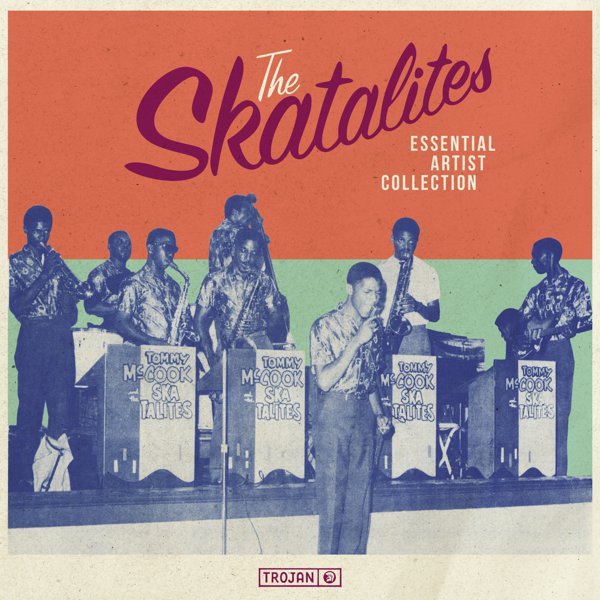
Notable bands such as The Skatalites, The Specials, and Madness have helped popularize ska music globally, influencing generations of musicians across different genres. Ska’s energetic live performances and danceable tunes continue to attract a dedicated fan base that appreciates its lively spirit and sense of community.
Whether you’re a longtime fan or new to the genre, exploring the vibrant rhythms of ska music is sure to bring joy and excitement into your musical journey. So put on your dancing shoes, turn up the volume, and let the infectious grooves of ska transport you to a world filled with rhythm and harmony.
Exploring the Energetic World of Ska: 7 Key Insights into Its History and Influence
- Ska music originated in Jamaica in the late 1950s.
- It is characterized by a strong offbeat rhythm typically played by guitar, piano, or horns.
- The ska beat is often described as an upbeat and energetic sound that makes you want to dance.
- Ska music has influenced other genres such as rocksteady, reggae, and punk rock.
- Famous ska bands include The Specials, The Skatalites, and Madness.
- Skank dancing is a common style of dancing associated with ska music.
- Ska music experienced revivals in the 1980s and 1990s with bands like The Mighty Mighty Bosstones and No Doubt.
Ska music originated in Jamaica in the late 1950s.
Ska music traces its roots back to Jamaica in the late 1950s, where it emerged as a vibrant and influential genre that would shape the future of music. Originating from a blend of Caribbean mento and calypso music with American jazz and rhythm and blues, ska’s upbeat tempo and distinctive offbeat rhythm quickly captured the attention of music enthusiasts worldwide. Its rich history and infectious sound have made ska a beloved genre that continues to inspire artists and listeners alike.
It is characterized by a strong offbeat rhythm typically played by guitar, piano, or horns.
Ska music is defined by its distinctive offbeat rhythm, often created by guitar, piano, or horns. This rhythmic pattern, known as the “skank,” sets ska apart from other genres and gives it a lively and infectious feel. The emphasis on the offbeat creates a sense of movement and energy in ska music, inviting listeners to groove along to its upbeat tempo. Whether it’s the strumming of a guitar, the chords of a piano, or the blasts of horns, the offbeat rhythm is a fundamental element that adds depth and character to the vibrant soundscape of ska music.
The ska beat is often described as an upbeat and energetic sound that makes you want to dance.
The ska beat is renowned for its lively and upbeat nature, creating a vibrant sound that beckons listeners to move and groove to its infectious rhythm. With its energetic tempo and distinctive offbeat pattern, ska music has a way of uplifting spirits and inspiring spontaneous dance movements. It’s no wonder that the ska beat is celebrated for its ability to evoke joy and enthusiasm, making it a favorite among music lovers who appreciate its irresistible charm and invigorating vibe.
Ska music has influenced other genres such as rocksteady, reggae, and punk rock.
Ska music’s far-reaching influence extends beyond its own genre, shaping the sounds of rocksteady, reggae, and punk rock. The energetic rhythms and spirited melodies of ska have left an indelible mark on these diverse musical styles, contributing to their evolution and creating a dynamic interplay between genres. The fusion of ska with rocksteady’s smooth grooves, reggae’s laid-back vibes, and punk rock’s raw energy showcases the versatility and enduring impact of ska music on the broader music landscape.
Famous ska bands include The Specials, The Skatalites, and Madness.
Famous ska bands such as The Specials, The Skatalites, and Madness have made significant contributions to the genre with their distinctive sounds and energetic performances. Each band brings its own unique style to ska music, showcasing the diversity and creativity within the genre. From The Specials’ socially conscious lyrics to The Skatalites’ instrumental prowess and Madness’s catchy tunes, these bands have left a lasting impact on ska music history, influencing both fans and fellow musicians alike.
Skank dancing is a common style of dancing associated with ska music.
Skank dancing is a popular style of movement closely linked with ska music. Characterized by its rhythmic footwork and energetic arm motions, skank dancing adds a dynamic element to the vibrant beats of ska music. This lively and carefree dance style encourages individuals to let loose, express themselves, and immerse in the infectious rhythms of ska, creating a sense of unity and joy among dancers at ska music events.
Ska music experienced revivals in the 1980s and 1990s with bands like The Mighty Mighty Bosstones and No Doubt.
Ska music saw resurgences in the 1980s and 1990s, marked by the emergence of bands like The Mighty Mighty Bosstones and No Doubt. These bands brought a fresh perspective to the genre, blending ska’s traditional sound with elements of punk, rock, and pop. Their energetic performances and catchy tunes helped introduce ska music to a new generation of listeners, revitalizing interest in this vibrant and dynamic musical style.