
Chinese Music: A Journey Through Tradition and Modern Sounds
Chinese Music: A Rich Tradition in Constant Motion
Chinese music encompasses a vast range of sounds shaped by centuries of history and by the country’s many regional, ethnic, and artistic traditions. From solo performances on ancient instruments to contemporary pop and experimental composition, it is not one single style but a diverse musical landscape that continues to evolve.
A Long and Varied History
Music has played an important role in Chinese ritual, court life, theater, storytelling, and everyday entertainment for thousands of years. Historical records describe ensembles and instruments used in ceremonies and performances, while musical traditions developed differently across regions and communities. Over time, Chinese music absorbed new influences, adapted to changing tastes, and gave rise to forms that remain popular today.
Traditional music is often associated with ideas of balance, expression, and the relationship between music and nature. But these associations do not describe every tradition or performance. Chinese musical culture is too broad to be reduced to a single philosophy or sound.
Instruments and Their Distinctive Sounds
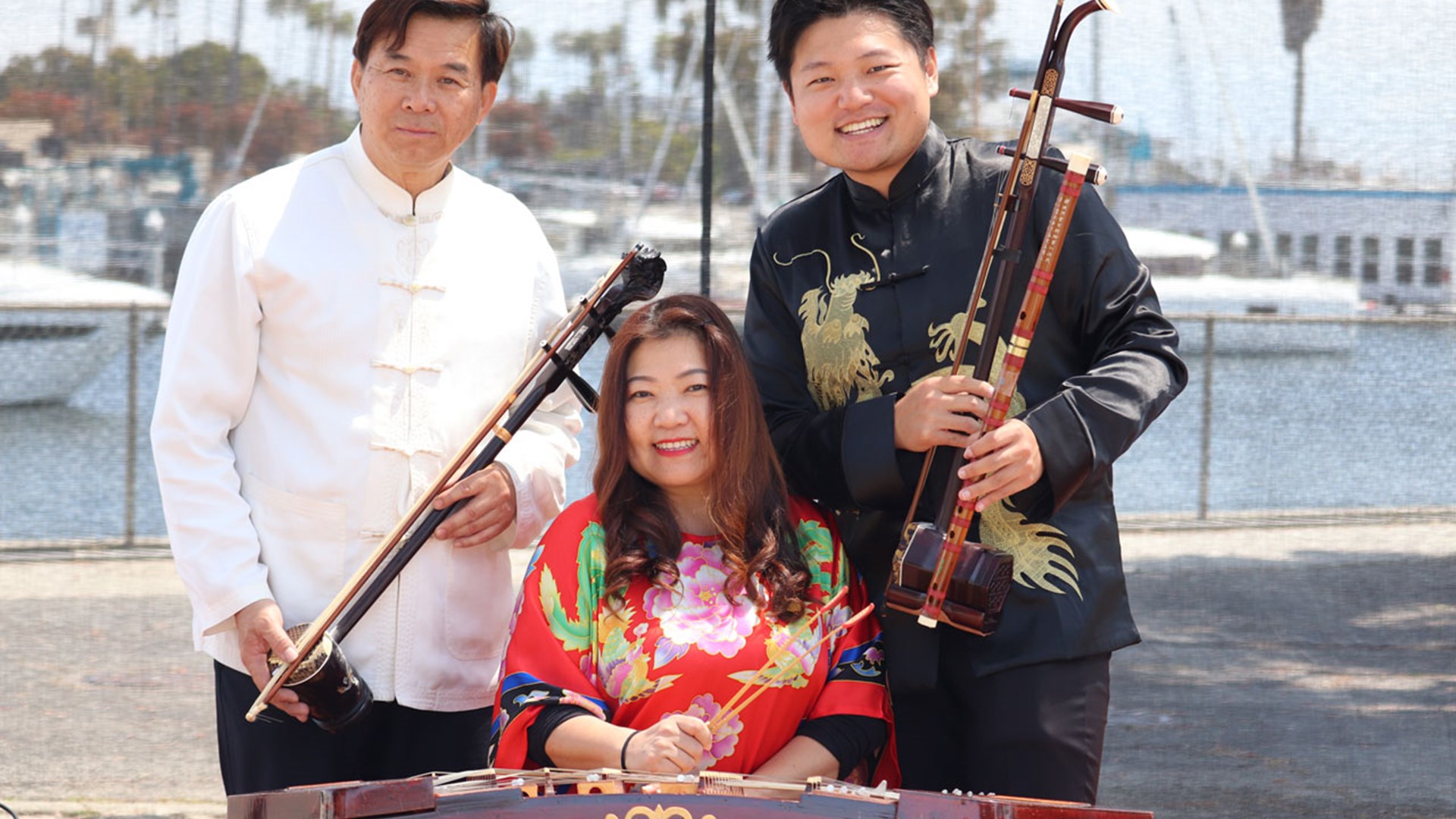
Many traditional Chinese instruments are recognizable for their expressive timbres and distinctive playing techniques. The guzheng, a plucked zither with a long history, can produce rippling runs and sustained bends. The pipa, a pear-shaped lute, is known for its fast, intricate passages. The erhu, a two-string bowed instrument, has a warm, vocal quality that can make its melodies feel especially intimate.
Other instruments include the dizi, a bamboo flute; the sheng, a mouth organ capable of playing chords; and a variety of drums, gongs, and other percussion instruments. These instruments appear in different combinations, from solo pieces and small chamber groups to large orchestras. Their sounds can be heard in classical repertory, opera, folk music, film scores, and modern arrangements.
Regional Traditions and Opera
China’s regional music traditions are remarkably varied. Local languages, instruments, performance styles, and histories all shape the music of different areas. Folk songs may accompany work, festivals, courtship, or storytelling, while regional ensembles use distinctive combinations of wind, string, and percussion instruments.
Chinese opera is another major part of the musical landscape. The best-known form internationally is Peking opera, or jingju, which combines stylized singing, instrumental accompaniment, movement, costume, and dramatic storytelling. Other opera traditions, including Kunqu and Cantonese opera, have their own musical and theatrical conventions. These forms are not simply musical theater in the Western sense; each has a distinctive history and performance language.
From Traditional Music to Contemporary Sounds
Chinese musicians have long explored new ways to bring traditional instruments and musical ideas into conversation with other styles. Contemporary composers write for Chinese instruments and Western orchestras, while performers create arrangements that blend traditional techniques with jazz, rock, electronic music, and other influences.
Popular music is also a significant part of modern Chinese culture. Mandarin-language pop, often called Mandopop, reaches audiences across mainland China, Taiwan, Hong Kong, and communities around the world. Cantonese pop has a strong history of its own, while hip-hop, indie rock, electronic music, and other genres continue to find new listeners. Artists work in many languages and musical traditions, reflecting the diversity of contemporary life.
Listening Across Generations
For new listeners, Chinese music offers many possible starting points: a solo performance on the guzheng, the dramatic sounds of opera, a regional folk song, a contemporary instrumental composition, or a modern pop track. Listening across these styles reveals both continuity and change. Traditional instruments and musical forms remain meaningful, while artists keep reshaping them for new audiences.
Chinese music is best understood not as a fixed historical category but as a living collection of traditions and creative experiments. Its sounds carry stories of place, memory, performance, and innovation—and they continue to develop with each generation of musicians.
Chinese Music FAQs: Traditions, Instruments, Peking Opera, and Popular Songs
- What is Chinese music?
- What are the main types of traditional Chinese music?
- Which instruments are commonly used in Chinese music?
- What is the difference between Chinese traditional music and Chinese pop music?
- What is Peking opera, and what role does music play in it?
- What are some famous Chinese songs or composers?
- Where can I listen to Chinese music?
What is Chinese music?
Chinese music refers to the diverse musical traditions and styles associated with China and its many regions and communities. It includes centuries-old forms such as folk music, opera, and instrumental performance, featuring instruments like the guzheng, pipa, and erhu, as well as contemporary genres such as Mandopop, rock, hip-hop, and electronic music. Rather than one single sound, Chinese music is a broad, evolving landscape shaped by history, culture, and modern influences.
What are the main types of traditional Chinese music?
Traditional Chinese music includes several broad types: folk music, which varies by region and often accompanies festivals, work, and storytelling; instrumental music, performed solo or in ensembles on instruments such as the guzheng, pipa, and erhu; and Chinese opera, which combines singing, instrumental accompaniment, movement, and drama. Ceremonial and religious music also form part of the tradition, while regional styles—from Peking opera to Cantonese opera—reflect China’s diverse languages, histories, and communities.
Which instruments are commonly used in Chinese music?
Chinese music features a wide range of traditional instruments, including the guzheng, a plucked zither; the pipa, a four-stringed lute; and the erhu, a two-stringed bowed instrument. Other commonly heard instruments include the dizi, a bamboo flute, the sheng, a mouth organ, and percussion such as drums, gongs, and cymbals. The instruments used vary by region and musical style, from folk ensembles and opera to contemporary compositions.
What is the difference between Chinese traditional music and Chinese pop music?
Chinese traditional music draws on centuries-old regional styles, instruments, and performance traditions, such as guzheng or erhu music and Chinese opera. Chinese pop music, including Mandopop and Cantopop, is contemporary and typically uses modern production, song structures, and influences from genres like rock, hip-hop, and electronic music. The two aren’t entirely separate: some artists blend traditional instruments or melodies with modern pop sounds.
What is Peking opera, and what role does music play in it?
Peking opera, also called Beijing opera or jingju, is a traditional Chinese performance art that combines singing, spoken dialogue, stylized movement, martial arts, and elaborate costumes and makeup. Music is central to the form: an ensemble of percussion and melodic instruments sets the rhythm, supports the performers’ movements, and helps shape the mood and dramatic action. Singers use highly stylized vocal techniques, while musical patterns signal changes in emotion, character, or scene, making the score an essential part of the storytelling.
What are some famous Chinese songs or composers?
Famous Chinese songs and composers span traditional and contemporary music. “Jasmine Flower” (“Mo Li Hua”) is one of the best-known traditional folk songs, while “The Moon Represents My Heart,” made famous by Teresa Teng, is a beloved Mandarin pop classic. Notable composers include Tan Dun, known internationally for his film scores and contemporary works; Xian Xinghai, whose “Yellow River Cantata” is a landmark of 20th-century Chinese music; and traditional composer Hua Yanjun, also known as A Bing, whose erhu piece “The Moon Reflected on the Second Spring” remains widely admired.
Where can I listen to Chinese music?
You can listen to Chinese music on popular streaming services such as Spotify, Apple Music, YouTube Music, and QQ Music, as well as on radio stations and video platforms that feature Chinese artists. Search by style or region—try terms like Mandopop, Cantonese pop, Chinese folk music, Peking opera, or traditional Chinese instrumental music—to find sounds that suit your interests. Libraries, cultural centers, and live-music venues may also offer recordings, concerts, or events featuring Chinese music.