
Dire Straits Songs: The Band’s Most Memorable Hits and Deep Cuts
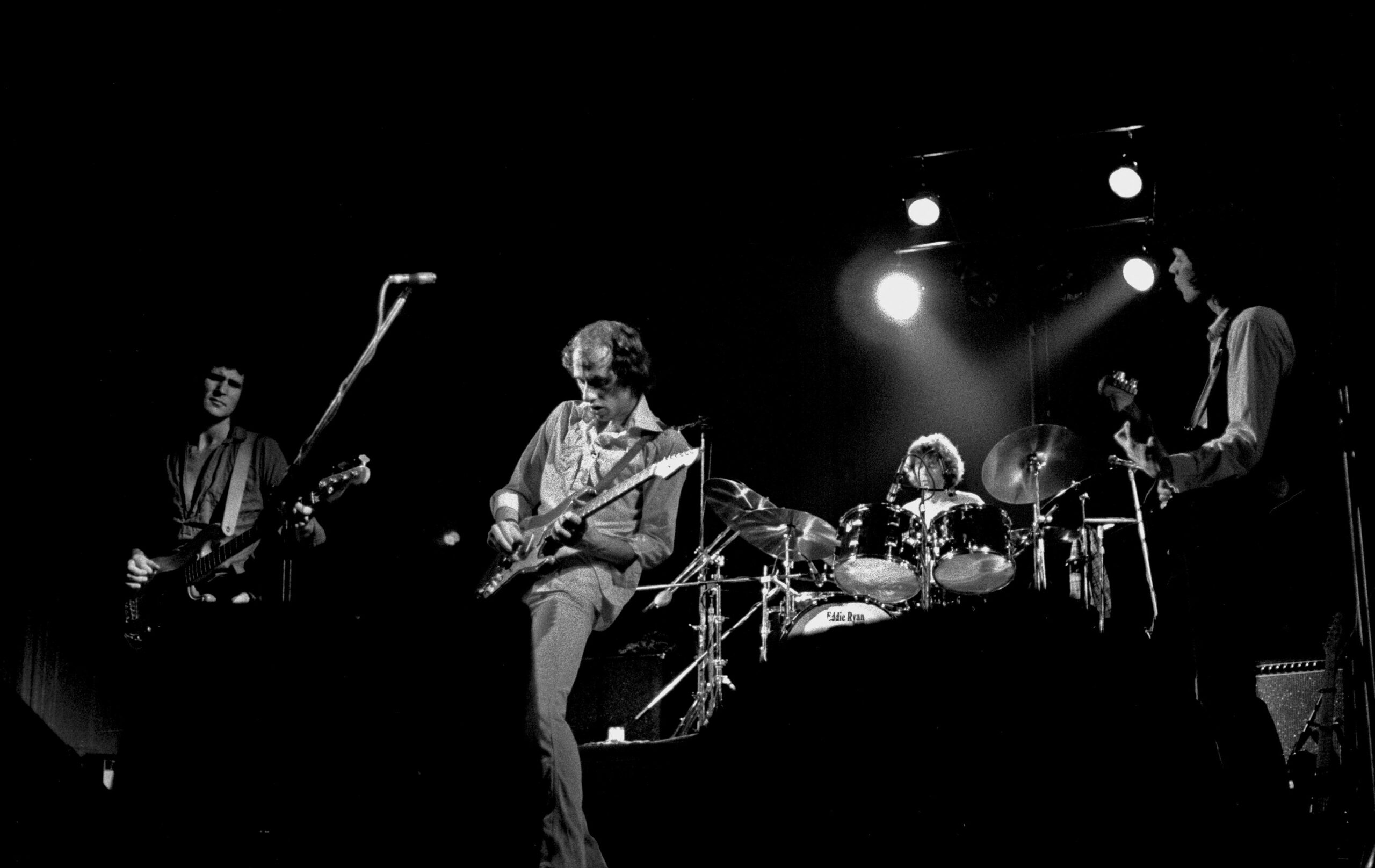
Dire Straits Songs: A Guide to the Band’s Most Memorable Music
Dire Straits built a distinctive sound around Mark Knopfler’s fluid guitar playing, understated vocals, and carefully observed storytelling. Emerging from the late-1970s British rock scene, the band blended rock, blues, folk, and country influences without relying on the oversized production common in arena rock. Their songs could be intimate and economical, or expansive and cinematic—and many remain staples of classic rock radio.
“Sultans of Swing”
“Sultans of Swing” introduced many listeners to Dire Straits. Released on the band’s 1978 debut album, it follows a small jazz band playing in a nearly empty London pub. Knopfler’s vivid details bring the scene to life, while his clean, fingerpicked guitar lines give the track its unmistakable sound. The song became an international hit and established the band as musicians with a style of their own.
“Romeo and Juliet”
Featured on the 1980 album Making Movies, “Romeo and Juliet” is a tender, bittersweet song about love, memory, and mismatched expectations. Its opening guitar figure is among Knopfler’s most recognizable, and the lyrics recast the familiar Shakespearean names in a contemporary story of romance and disappointment. The track’s restrained arrangement gives the narrative room to unfold.
“Tunnel of Love”
Also from Making Movies, “Tunnel of Love” begins with a dramatic introduction before moving into a long, shifting arrangement. Set against the imagery of a fairground, the song explores attraction, regret, and the uneasy feeling of looking back on a relationship. Its extended instrumental passages show the band’s ability to make a rock song feel like a journey.
“Telegraph Road”
At more than 14 minutes, “Telegraph Road” is one of Dire Straits’ most ambitious recordings. The centerpiece of the 1982 album Love over Gold, it traces the growth of a settlement into a modern city and reflects on the costs of progress. Knopfler’s gradual build—from quiet opening passages to powerful guitar sections—makes the song a standout for listeners who enjoy the band’s longer, more atmospheric work.
“Money for Nothing”
“Money for Nothing,” from 1985’s Brothers in Arms, became one of Dire Straits’ biggest commercial hits. Its heavy guitar riff and memorable refrain helped make it a defining track of the MTV era, and its video received extensive rotation on the channel. The song presents the perspective of a television delivery worker reacting to the lives of rock stars. Its language reflects that character’s viewpoint and has also prompted discussion about the lyrics over the years.
“Walk of Life”
Where “Money for Nothing” is built around a forceful guitar riff, “Walk of Life” is bright and buoyant, driven by keyboard and a brisk rhythm. The song celebrates music and the everyday performer, with references to rock-and-roll history woven into its lyrics. It became one of the band’s most popular songs and remains a frequent pick for upbeat classic-rock playlists.
“Brothers in Arms”
The title track of Brothers in Arms is a quiet, reflective song about the human cost of war. Rather than building toward a conventional rock climax, it allows its words and spacious arrangement to carry the emotion. Knopfler’s restrained guitar playing adds to the song’s solemn mood, making it one of the band’s most powerful and enduring recordings.
“So Far Away”
“So Far Away” opens Brothers in Arms with a smooth, steady groove and a theme of distance between two people. Its direct melody and thoughtful lyrics make it an accessible introduction to the album, while the relaxed performance captures the band’s ability to sound polished without losing their understated character.
Why Dire Straits’ Songs Still Resonate
Dire Straits songs stand out for their combination of strong melodies, detailed storytelling, and distinctive guitar work. Knopfler’s characters often feel like people encountered in ordinary life, while the band’s arrangements leave space for the stories to breathe. From the pub scene in “Sultans of Swing” to the sweeping perspective of “Telegraph Road,” the group created a catalog that rewards both casual listening and close attention.
For a first listen, try the band’s best-known singles. To explore a broader range of their music, move from the self-titled debut to Making Movies, Love over Gold, and Brothers in Arms. Together, these songs reveal why Dire Straits remain one of rock’s most recognizable and enduring bands.
Exploring Dire Straits: 9 Essential Tips for Appreciating Their Iconic Songs
- Start with “Sultans of Swing” for Mark Knopfler’s distinctive fingerstyle guitar.
- Listen for the storytelling in “Romeo and Juliet.”
- Try “Telegraph Road” for an expansive, slow-building track.
- Notice the famous opening guitar riff in “Money for Nothing.”
- Hear the emotional title track “Brothers in Arms” in a quiet setting.
- Put on “Walk of Life” for an upbeat rock-and-roll feel.
- Explore the atmospheric guitar work in “Tunnel of Love.”
- Listen closely to the layered details in “Private Investigations.”
- Compare the polished sound of “So Far Away” with the band’s earlier recordings.
Start with “Sultans of Swing” for Mark Knopfler’s distinctive fingerstyle guitar.
Start with “Sultans of Swing” to hear Mark Knopfler’s distinctive fingerstyle guitar at its best. His crisp, fluid playing gives the song its unmistakable sound, weaving memorable melodies around a vivid story of musicians performing in a small London club. As an introduction to Dire Straits, it captures the band’s blend of sharp songwriting, understated vocals, and expressive guitar work.
Listen for the storytelling in “Romeo and Juliet.”
Listen closely to the storytelling in Dire Straits’ “Romeo and Juliet.” Mark Knopfler reimagines the famous lovers as a modern couple, using vivid details and a reflective tone to explore romance, disappointment, and memories that linger after a relationship ends. Notice how the restrained arrangement leaves space for the lyrics, letting the song’s characters and emotions take center stage.
Try “Telegraph Road” for an expansive, slow-building track.
Try “Telegraph Road” when you’re in the mood for an expansive, slow-building track. Stretching beyond 14 minutes, the song unfolds from a quiet opening into powerful guitar passages, tracing the growth of a settlement into a modern city along the way. Its gradual progression and reflective storytelling make it one of Dire Straits’ most immersive recordings.
Notice the famous opening guitar riff in “Money for Nothing.”
Listen closely to the famous opening guitar riff in “Money for Nothing.” Its gritty, sustained tone immediately sets the song’s bold mood and makes the track instantly recognizable. As you listen, notice how the riff returns throughout the song, anchoring its driving rhythm and contrasting with the cleaner guitar sounds that follow.
Hear the emotional title track “Brothers in Arms” in a quiet setting.
Listen to “Brothers in Arms” somewhere quiet, where the song’s restrained arrangement and reflective lyrics can take center stage. Its gentle guitar work and solemn mood reward close attention, making it a powerful, moving listen without distractions.
Put on “Walk of Life” for an upbeat rock-and-roll feel.
Put on “Walk of Life” when you want an upbeat rock-and-roll feel. Its lively rhythm, bright keyboard melody, and cheerful energy make it an easy pick for lifting the mood, whether you’re getting ready for the day, driving, or adding a classic rock favorite to a playlist.
Explore the atmospheric guitar work in “Tunnel of Love.”
Listen closely to the atmospheric guitar work in Dire Straits’ “Tunnel of Love.” The song opens with a dramatic, spacious introduction that sets a cinematic mood, then shifts through rising and falling passages as its story unfolds. Mark Knopfler’s expressive playing—especially the way he lets notes ring and builds toward the instrumental sections—gives the track a sense of movement, longing, and reflection.
Listen closely to the layered details in “Private Investigations.”
Listen closely to the layered details in “Private Investigations,” where Dire Straits build a moody, cinematic sound from delicate guitar phrases, dramatic pauses, and subtle changes in texture. Rather than following a conventional rock-song structure, the track unfolds like a tense story, drawing you into its atmosphere one detail at a time. Headphones can make the shifts between quieter passages and more forceful moments especially rewarding.
Compare the polished sound of “So Far Away” with the band’s earlier recordings.
Compare the polished sound of “So Far Away” with Dire Straits’ earlier recordings to hear how the band’s style evolved. The song’s smooth production and steady groove reflect the refined approach of Brothers in Arms, while tracks such as “Sultans of Swing” preserve a leaner, more raw-edged sound. Listening side by side highlights the band’s shift toward a cleaner, more expansive studio style without losing Mark Knopfler’s distinctive guitar work and storytelling.