
Techno Music: The Rhythm That Shaped a Global Movement
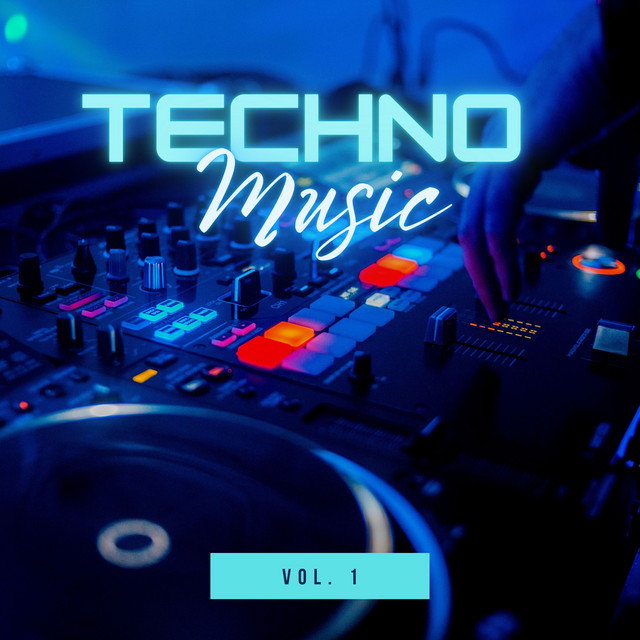
Techno Music: The Sound of the Future
Techno is electronic dance music built around repetition, rhythm, and the possibilities of sound. Its steady pulse can feel hypnotic, while layers of synthesizers, drum machines, and digital effects create music that is constantly shifting. From underground clubs to major festivals, techno has become a global culture as well as a musical style.
Where Techno Began
Techno took shape in Detroit, Michigan, in the early 1980s. A group of young musicians—including Juan Atkins, Derrick May, and Kevin Saunderson, often called the Belleville Three—helped define the sound. Drawing on funk, disco, electronic music, and the futuristic experiments of artists such as Kraftwerk, they created tracks that paired dance-floor rhythms with a sense of mechanical precision and science-fiction possibility.
Detroit’s changing industrial landscape also shaped the music’s atmosphere. Many early techno tracks sounded forward-looking: sleek, synthetic, and sometimes reflective. The genre soon found an enthusiastic audience in Europe, particularly in Germany, where clubs and music communities helped develop techno into a worldwide movement.
What Does Techno Sound Like?
Techno often uses a regular four-beat kick drum, with sounds arranged in repeating patterns that gradually change over time. A track might begin with little more than a pulse and a few crisp percussion hits, then build through subtle shifts in texture, tempo, and intensity. Instead of relying on a traditional verse-and-chorus structure, many techno tracks create momentum through repetition and gradual transformation.
Common elements include drum machines, synthesizers, sequencers, samples, and effects such as delay or reverb. Some productions are warm and melodic; others are sparse, abrasive, or intensely fast. The genre is broad, and its sound can vary greatly from one artist, scene, or club to another.
A Genre with Many Directions
As techno spread, artists developed a wide range of approaches. Minimal techno focuses on restraint, using small changes and carefully placed sounds. Detroit techno often emphasizes soulful melodies and futuristic themes. Dub techno draws on echo and spacious production, while industrial techno leans into harsher tones and forceful rhythms. Other styles explore melodic, ambient, or high-speed sounds.
These categories are not strict rules. Artists often combine influences, and listeners may use the word “techno” broadly to describe music that shares its rhythmic drive or electronic production. Techno is also distinct from house music, though the two styles share histories, audiences, and club spaces.
More Than a Sound
Techno is closely connected to the places where it is played. Clubs, warehouses, and outdoor gatherings give the music room to unfold over long stretches of time. DJs often mix tracks together, shaping a continuous journey rather than presenting each song as a separate performance. Lighting, sound systems, movement, and community all contribute to the experience.
The genre has also crossed borders and inspired local scenes around the world. Each community brings its own influences and traditions, keeping techno in motion. Its enduring appeal lies in that balance between structure and change: a steady beat that invites people to move, paired with sounds that suggest what might come next.
Listening to Techno
For newcomers, a good starting point is to listen for how a track develops. Notice the relationship between the kick drum and the other percussion, then follow the small changes in bass, melody, and texture. Try different styles, from melodic and atmospheric productions to stripped-back or harder-edged tracks. Techno rewards close listening, but it can also be enjoyed simply as music for dancing.
Decades after its beginnings in Detroit, techno remains a living, evolving genre. Its tools and sounds continue to change, but its central idea endures: use rhythm and technology to create a shared, immersive experience.
7 Benefits of Techno Music: Energy, Creativity, Connection, and Focus
- Creates an energetic atmosphere.
- Encourages dancing and movement.
- Offers immersive, hypnotic rhythms.
- Showcases creative electronic production.
- Includes diverse styles and sounds.
- Brings people together at events.
- Can support focus and motivation.
6 Drawbacks of Techno Music: From Repetitive Beats to Sleepless Nights
- Repetitive rhythms can feel monotonous.
- Loud shows may damage hearing.
- Some tracks have little vocal variety.
- Live sets can rely heavily on equipment.
- Club scenes may feel intimidating to newcomers.
- Late-night events can disrupt sleep.
Creates an energetic atmosphere.
Techno music creates an energetic atmosphere with its driving beats, pulsing bass, and layered electronic sounds. Its steady rhythm can keep people moving and build excitement, whether it’s playing at a club, festival, workout, or party. As the music develops, subtle changes in tempo and texture can sustain that energy and draw listeners into the moment.
Encourages dancing and movement.
Techno’s steady beats and driving rhythms naturally encourage dancing and movement. Repetitive patterns make it easy to find the pulse, while changes in tempo, percussion, and electronic sounds keep the body engaged. Whether on a crowded dance floor or listening at home, techno can turn music into an energizing, physical experience.
Offers immersive, hypnotic rhythms.
Techno music’s steady beats and repeating patterns can create an immersive, hypnotic experience. As layers of percussion, bass, and synthesizer sounds gradually shift, listeners can become absorbed in the rhythm, making the music especially compelling on the dance floor or during focused listening.
Showcases creative electronic production.
Techno music showcases the creative possibilities of electronic production. Artists shape sound with synthesizers, drum machines, samplers, and digital effects, transforming simple rhythmic patterns into rich, evolving compositions. By experimenting with texture, repetition, and unexpected sonic details, producers can create distinctive tracks that feel immersive, futuristic, and entirely their own.
Includes diverse styles and sounds.
One of techno’s greatest strengths is its remarkable diversity of styles and sounds. From Detroit’s soulful, futuristic grooves to minimal rhythms, atmospheric dub textures, melodic synths, and hard industrial beats, techno offers something for many different moods and tastes. This variety keeps the genre fresh and gives artists room to experiment, while listeners can explore new sounds without leaving the world of techno.
Brings people together at events.
Techno music brings people together at clubs, festivals, and other events, creating a shared experience through rhythm and movement. Even when attendees come from different backgrounds, the steady beat gives them a common way to connect, dance, and enjoy the moment together. These gatherings can foster a sense of community that lasts beyond the music.
Can support focus and motivation.
Techno music can support focus and motivation through its steady beat and repeating patterns. For some people, this consistent rhythm creates an energizing background that helps make routine tasks feel more engaging and encourages them to keep going. Instrumental tracks can also be less distracting than music with prominent lyrics, making techno a useful option for studying, exercising, or working—though the best choice depends on personal preference and the task at hand.
Repetitive rhythms can feel monotonous.
One common criticism of techno music is that its repetitive rhythms can feel monotonous, especially to listeners who prefer frequent changes in melody, tempo, or song structure. Because many tracks rely on a steady beat and gradual shifts in sound, the music may seem predictable or lack variety over time. While repetition is central to techno’s hypnotic, dance-focused appeal, it may not suit every listener’s taste.
Loud shows may damage hearing.
Techno shows are often played at high volumes, and prolonged exposure to loud sound can damage hearing. The risk may increase when standing close to speakers or attending events frequently without ear protection. Wearing well-fitted earplugs, taking breaks in quieter areas, and keeping a safe distance from speakers can help protect your hearing while still letting you enjoy the music.
Some tracks have little vocal variety.
One drawback of techno music is that some tracks offer little vocal variety. Many rely on instrumental loops, brief samples, or a repeated phrase rather than changing vocals, which can make the music feel monotonous to listeners who prefer expressive singing, varied lyrics, or a more traditional song structure. While repetition can help create a hypnotic dance-floor groove, it may also leave certain tracks feeling emotionally limited or predictable.
Live sets can rely heavily on equipment.
One drawback of techno’s equipment-focused live sets is that they can be vulnerable to technical problems. A malfunctioning mixer, synth, cable, or computer can interrupt the performance, and the setup may make it harder for audiences to connect with the artist in the way they might during a more visibly hands-on performance. Although many techno artists actively shape their music in real time, the reliance on gear can sometimes make a set feel less spontaneous or personal.
Club scenes may feel intimidating to newcomers.
For newcomers, techno club scenes can sometimes feel intimidating. The music may be unfamiliar, the venues dark and loud, and established crowds or unwritten dance-floor etiquette can make it hard to know what to expect. A welcoming venue and a friend to go with can help ease the first visit, but clubs and communities can also do more to make new attendees feel comfortable and included.
Late-night events can disrupt sleep.
Late-night techno events can make it difficult to maintain a healthy sleep schedule. Shows and club nights often continue into the early morning, and loud music, bright lights, and the excitement of dancing may make it harder to unwind afterward. Regularly losing sleep can leave people feeling tired and affect their mood, focus, and overall well-being.