
Old Country Songs That Still Touch the Heart
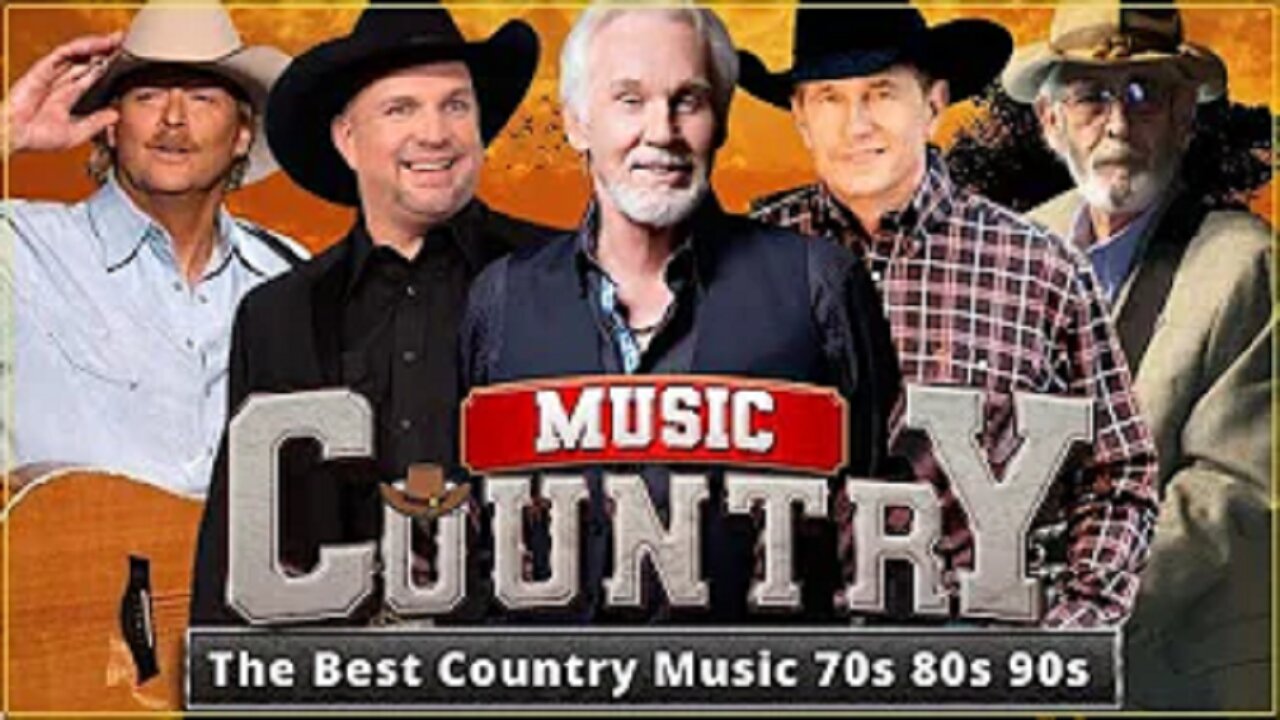
Old Country Songs: Stories That Stand the Test of Time
Old country songs have a way of making life’s biggest feelings sound plainspoken and familiar. A few chords, a memorable melody, and a story about love, loss, home, or hard work can stay with listeners for generations. Whether heard on a radio, at a family gathering, or through a modern playlist, these songs continue to connect people with country music’s roots.
What Makes a Country Song “Old”?
The phrase “old country songs” can mean different things to different listeners. Some people think of the early recordings of the 1920s and 1930s; others picture the honky-tonk and Nashville sounds of the 1940s through the 1970s. For many fans, the term simply describes country classics they grew up hearing or discovered through older relatives.
Country music has changed over time, but its traditions have remained recognizable. Acoustic guitars, fiddles, steel guitars, and steady rhythms often provide the backdrop for lyrics centered on everyday experience. The sound may be simple, but the emotions rarely are.
Stories of Love, Heartbreak, and Home
Many classic country songs tell stories about relationships: the excitement of falling in love, the ache of separation, or the regret that follows a poor decision. Rather than relying on grand gestures, they often focus on small details—a familiar place, a remembered conversation, or the feeling of waiting for someone to come home.
Other songs celebrate home and community. They evoke front porches, country roads, family gatherings, and the landscapes where people grew up. Even listeners who have never lived in a rural area can recognize the longing for a place that feels like home.
Artists Who Shaped the Classics
Country music’s history includes performers whose distinctive voices helped define the genre. Hank Williams became known for emotionally direct songwriting, while Patsy Cline brought a powerful, polished style to songs such as “Crazy.” Johnny Cash blended country with a sound and image all his own, and Loretta Lynn wrote candidly about work, family, and women’s lives.
Other influential artists include George Jones, whose expressive vocals became a hallmark of traditional country, and Dolly Parton, whose songwriting and performances reached audiences far beyond the country charts. These artists—and many more—helped make country music a rich tradition rather than a single, fixed sound.
A Sound That Keeps Changing
Old country songs reflect the eras in which they were recorded. Early country and bluegrass recordings often featured acoustic instruments and close harmonies. Honky-tonk brought a livelier barroom feel, while the Nashville sound added smooth arrangements and orchestral touches. Later decades introduced new influences, but many artists continued to draw on older styles.
That ongoing conversation between past and present is part of country music’s appeal. A newer song may use modern production while borrowing the storytelling approach or instrumentation of an earlier generation. Listening to old recordings can reveal where those ideas began.
Why These Songs Still Matter
Classic country songs endure because their subjects remain familiar. People still fall in love, miss home, make mistakes, and try to find meaning in difficult times. The language may be rooted in a particular place or period, but the feelings are widely understood.
For longtime fans, old country songs can bring back memories. For new listeners, they offer a way to explore the history of American music and discover artists whose influence is still heard today. Their melodies may come from another era, but their stories continue to find an audience.
9 Tips for Exploring and Enjoying Classic Country Songs
- Start with country classics from the 1950s and 1960s.
- Listen for storytelling in the lyrics.
- Explore artists like Hank Williams and Patsy Cline.
- Notice how fiddle and steel guitar shape the sound.
- Compare original recordings with later covers.
- Try a greatest-hits album to discover favorites.
- Read the song credits to learn who wrote each tune.
- Listen to the lyrics alongside the melody.
- Make a playlist of songs from different decades.
Start with country classics from the 1950s and 1960s.
Start your old country music journey with classics from the 1950s and 1960s, when distinctive voices, memorable melodies, and honest storytelling helped shape the genre. Listen for the era’s range of sounds, from lively honky-tonk to smooth Nashville-style arrangements, and notice how artists turn familiar themes like love, heartbreak, and home into vivid stories. These songs offer an inviting introduction to country music’s roots and make it easy to discover artists and styles you may want to explore further.
Listen for storytelling in the lyrics.
Listen closely to the lyrics of old country songs, where a few vivid details can unfold into a whole story. A familiar road, a goodbye at the door, or a letter left unread may reveal the characters, setting, and emotions behind the song. Rather than focusing only on the melody, follow each verse to see how the story develops—and notice how the final line can change the meaning of everything that came before.
Explore artists like Hank Williams and Patsy Cline.
Explore the music of Hank Williams and Patsy Cline to hear two distinctive voices that helped shape classic country. Williams is celebrated for direct, heartfelt songwriting and songs such as “Your Cheatin’ Heart,” while Cline’s rich vocals brought lasting power to favorites like “Crazy” and “I Fall to Pieces.” Listening to their recordings is a great way to discover the storytelling, emotion, and timeless melodies at the heart of old country music.
Notice how fiddle and steel guitar shape the sound.
Listen for the fiddle and steel guitar to hear what gives many old country songs their distinctive character. The fiddle can add a lively, dancing feel or heighten a song’s emotion with its expressive melodies, while the steel guitar often brings a smooth, wistful sound that lingers behind the vocals. Notice how these instruments answer the singer, fill the spaces between lines, and help set the mood of each song.
Compare original recordings with later covers.
Compare original recordings of old country songs with later covers to hear how different artists interpret the same story. Notice changes in tempo, instrumentation, vocal style, and phrasing: one version may feel raw and intimate, while another adds polished production or a fresh arrangement. Listening side by side can reveal what makes the song timeless and how country music’s sound has evolved.
Try a greatest-hits album to discover favorites.
Try a greatest-hits album to discover favorites and get a feel for an artist’s signature sound. These collections bring together well-known songs in one place, making it easy to explore classic country without knowing where to start. When a track catches your ear, seek out the full album or explore more music from that era.
Read the song credits to learn who wrote each tune.
Reading the credits is a great way to discover the storytellers behind old country songs. The singer may make a tune famous, but the songwriter shaped its lyrics, melody, and point of view. Check album notes, liner credits, or reliable music databases to learn who wrote each song, then explore their other work—you may find that some of your favorite classics share the same gifted songwriter.
Listen to the lyrics alongside the melody.
Listen to the lyrics alongside the melody to get the full story behind an old country song. The words may reveal a tale of love, heartbreak, home, or hard times, while the melody adds its own emotional color—turning a simple line into a moment of longing, comfort, or hope. Notice how the singer’s phrasing and the instruments support the story, and you may find new meaning in a song you’ve heard many times before.
Make a playlist of songs from different decades.
Make a playlist of old country songs from different decades to hear how the genre has changed over time. Mix early classics with honky-tonk favorites and later country hits, and listen for the ways artists use instruments, melodies, and storytelling. The variety can introduce you to new favorites while showing how country music’s themes of love, loss, and home have endured.