
Tracy Chapman Songs: 10 Timeless Tracks That Still Resonate
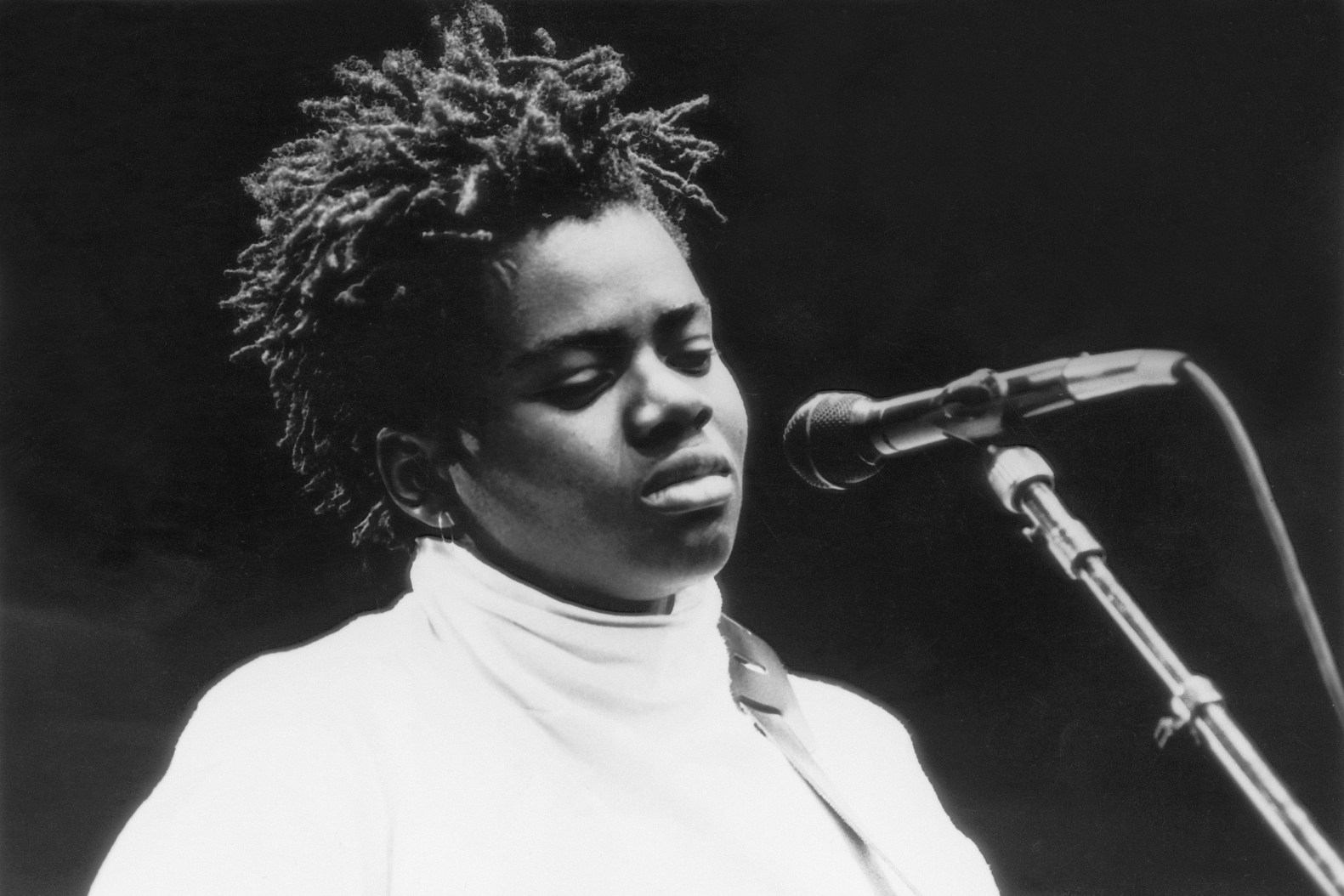
Tracy Chapman Songs: Stories of Hope, Heartache, and Change
Tracy Chapman’s songs are known for their vivid storytelling, soulful voice, and thoughtful acoustic arrangements. Since her 1988 debut, she has written music that looks closely at everyday lives, personal relationships, and social struggles. Her best-known songs may be familiar from radio and live performances, but they remain powerful because of the honesty and humanity at their center.
“Fast Car”: A Song About Escape and Possibility
“Fast Car” is one of Chapman’s signature songs. The narrator imagines leaving a difficult life behind and building something better, but the story unfolds with more complexity than a simple tale of escape. Hope and disappointment sit side by side as the relationship at the song’s center changes over time.
Released on Chapman’s self-titled debut album in 1988, “Fast Car” became an international hit and earned her a Grammy Award for Best Female Pop Vocal Performance. Its enduring appeal comes in part from its carefully observed details: a car, a job, a family burden, and the belief that a different life might be within reach. The song found a new generation of listeners when country singer Luke Combs released a cover in 2023.
Protest and Possibility in “Talkin’ Bout a Revolution”
“Talkin’ Bout a Revolution,” also from Tracy Chapman, pairs a restrained musical arrangement with a message about inequality and the possibility of collective change. Rather than presenting revolution as spectacle, Chapman focuses on people who have been overlooked and the quiet conversations that may precede action. The song helped establish her reputation as a songwriter able to address social issues without losing sight of individual experience.
Love Songs with Unflinching Honesty
Chapman’s songs about love often avoid easy resolutions. “Baby Can I Hold You” is a tender song about regret and the difficulty of expressing what matters. Its plainspoken lyric gives weight to words left unsaid, making it one of her most enduring ballads.
“The Promise,” from her 1995 album New Beginning, offers a different kind of love song: patient, intimate, and built around the idea of returning to someone after time apart. Meanwhile, “Give Me One Reason” brings a bluesier sound to a relationship at a breaking point. Its direct plea and electric-guitar groove helped make it one of Chapman’s biggest hits, earning her the Grammy Award for Best Rock Song in 1997.
More Essential Tracy Chapman Songs
- “Mountains O’ Things” — A sharp, wry reflection on wealth, consumerism, and the desire for material comfort.
- “Across the Lines” — A sobering song about racial division and violence.
- “Behind the Wall” — A brief, a cappella song that addresses domestic violence through the perspective of a nearby witness.
- “Telling Stories” — The title track from her 2000 album, exploring memory, imagination, and the narratives people create about their lives.
- “New Beginning” — A reflective song that considers change, responsibility, and the possibility of starting again.
Why Tracy Chapman’s Songs Endure
Chapman’s music has a distinctive balance of intimacy and scale. Many songs begin with an uncluttered arrangement that draws attention to her voice and lyrics, while the themes reach beyond any one character or moment. She writes about love, poverty, injustice, family, and hope with clarity rather than easy answers.
That combination has kept Tracy Chapman’s songs relevant across generations. Whether she is telling the story of someone longing for a way out, asking for one more chance, or imagining a fairer world, her music invites listeners to pay attention—to the words, to the people behind them, and to the possibilities they still hold.
9 Reasons Tracy Chapman’s Songs Are Timeless
- Powerful, soulful vocals
- Memorable acoustic melodies
- Rich, vivid storytelling
- Thoughtful social themes
- Emotionally honest lyrics
- Distinctive folk-rock sound
- Timeless songs that resonate
- Strong, intimate performances
- A catalog of enduring hits
7 Potential Drawbacks of Tracy Chapman’s Songs
- Some songs share a similar acoustic sound.
- The arrangements can feel sparse.
- The pacing is often slow.
- Lyrics may feel overly direct to some listeners.
- A few tracks have repetitive structures.
- The subdued delivery may lack energy for some tastes.
- Social themes can feel heavy.
Powerful, soulful vocals
Tracy Chapman’s songs stand out for her powerful, soulful vocals, which bring warmth and conviction to every performance. Her rich, expressive voice can sound tender and intimate one moment, then rise with intensity when a song calls for urgency or defiance. That emotional range helps make her lyrics feel personal and immediate, drawing listeners into stories of love, struggle, and hope.
Memorable acoustic melodies
Tracy Chapman’s songs are known for memorable acoustic melodies that feel simple yet deeply affecting. Her warm guitar patterns give tracks like “Fast Car” and “Baby Can I Hold You” an intimate sound, while leaving room for her distinctive voice and storytelling to shine. These melodies are easy to recognize and sing along with, but their subtle shifts in rhythm and mood reward repeated listening.
Rich, vivid storytelling
Tracy Chapman’s songs stand out for their rich, vivid storytelling, bringing listeners into the lives of people facing difficult choices, complicated relationships, and hopes for a better future. In “Fast Car,” for example, small, concrete details make the narrator’s longing for escape feel personal and real. Chapman’s clear, observant lyrics let listeners picture each scene while leaving room to connect the story to their own experiences.
Thoughtful social themes
Tracy Chapman’s songs explore thoughtful social themes with compassion and clarity. She writes about poverty, inequality, racial division, and the desire for a better life, grounding big issues in the experiences of ordinary people. Rather than offering easy answers, songs like “Talkin’ Bout a Revolution” and “Across the Lines” invite listeners to reflect on injustice and the possibility of change.
Emotionally honest lyrics
One of the greatest strengths of Tracy Chapman’s songs is their emotionally honest lyrics. She writes about love, hardship, hope, and disappointment in clear, unembellished language that feels deeply personal without losing its universal appeal. Rather than offering easy answers, her songs make room for complicated feelings and everyday struggles, allowing listeners to recognize parts of their own lives in her stories.
Distinctive folk-rock sound
Tracy Chapman’s songs have a distinctive folk-rock sound built around warm acoustic guitar, steady rhythms, and her rich, expressive voice. The arrangements are often spare, letting the lyrics and melodies take center stage, while touches of blues and rock add depth and energy. This blend gives songs like “Fast Car” and “Give Me One Reason” an instantly recognizable character that feels both intimate and powerful.
Timeless songs that resonate
Tracy Chapman’s songs feel timeless because they pair memorable melodies with stories and emotions that remain familiar across generations. Songs like “Fast Car,” “Baby Can I Hold You,” and “Talkin’ Bout a Revolution” explore hope, heartache, and the desire for change with honesty and empathy. Their thoughtful lyrics and understated arrangements give listeners room to connect the music to their own experiences, helping each song remain meaningful long after its release.
Strong, intimate performances
Tracy Chapman’s songs are defined by strong, intimate performances that make even their biggest themes feel personal. Her expressive, earthy voice and understated delivery draw listeners close, while the uncluttered arrangements leave room for every lyric to resonate. Whether she is singing about love, hardship, or hope, Chapman performs with a quiet intensity that makes each song feel honest and deeply human.
A catalog of enduring hits
Tracy Chapman’s catalog is filled with enduring hits that continue to resonate with listeners across generations. Songs like “Fast Car,” “Give Me One Reason,” and “Talkin’ Bout a Revolution” pair memorable melodies with honest storytelling, helping them remain popular long after their release. Their lasting appeal reflects Chapman’s ability to capture personal emotions and broader social themes in music that feels both timeless and deeply human.
Some songs share a similar acoustic sound.
One drawback of Tracy Chapman’s catalog is that some songs share a similar acoustic sound, often built around her voice and restrained guitar arrangements. This consistency suits her intimate, story-driven songwriting, but listeners looking for a wider range of production or musical textures may find parts of her discography less varied.
The arrangements can feel sparse.
Some listeners may find the arrangements in Tracy Chapman’s songs sparse, with acoustic guitar and vocals often taking center stage instead of a fuller, more layered production. That stripped-back sound gives her lyrics room to breathe, but it can also make certain tracks feel understated or musically repetitive to people who prefer richer instrumentation, dynamic shifts, or more elaborate arrangements.
The pacing is often slow.
One potential drawback of Tracy Chapman’s songs is their often-slow pacing. Her thoughtful lyrics and restrained arrangements give the music room to breathe, but listeners looking for a brisk tempo or a more energetic sound may find some tracks feel drawn out. This deliberate style suits many of her reflective songs, though it can make an album feel less varied in mood.
Lyrics may feel overly direct to some listeners.
Some listeners may find Tracy Chapman’s lyrics overly direct. Her songs often address emotions and social issues in clear, plainspoken language, leaving little ambiguity about their meaning. While that clarity is a strength for many fans, those who prefer subtle imagery or more interpretive songwriting may find some lyrics too explicit.
A few tracks have repetitive structures.
One criticism of Tracy Chapman’s songs is that a few tracks rely on repetitive structures, with recurring chord patterns and refrains that may feel predictable to some listeners. This simplicity can keep the focus on her lyrics and storytelling, but it may also make certain songs feel less musically varied, especially for listeners who prefer frequent changes in rhythm or arrangement.
The subdued delivery may lack energy for some tastes.
Tracy Chapman’s understated vocal style is central to the intimacy of her songs, but its subdued delivery may feel low-energy to listeners who prefer more forceful vocals or dramatic arrangements. Because she often favors restrained performances and uncluttered instrumentation, some tracks may seem too quiet or slow-paced for those looking for a stronger rhythmic drive or a more exuberant sound.
Social themes can feel heavy.
Some Tracy Chapman songs tackle poverty, racism, domestic violence, and other difficult realities, giving them emotional depth but also making them feel heavy for listeners seeking lighter, more escapist music. Their serious themes and unflinching storytelling can be intense, especially when someone is not in the mood for songs that dwell on hardship or injustice.