
Spanish Songs: A Guide to Rhythm, Stories, and Emotion
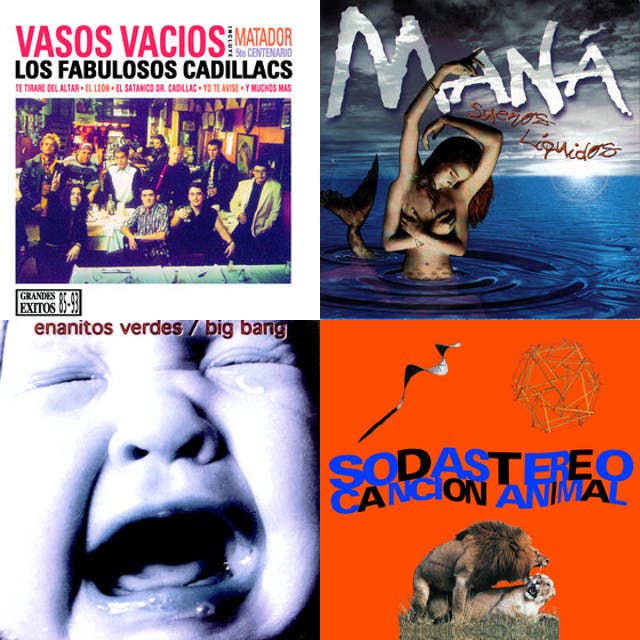
Spanish Songs: A World of Rhythm, Stories, and Emotion
Spanish songs bring together music from Spain, Latin America, and communities around the world. Sung in one of the world’s most widely spoken languages, they span countless styles—from intimate acoustic ballads to dance-floor anthems. Whether you are learning Spanish, exploring a new genre, or simply looking for something fresh to hear, Spanish-language music offers a rich place to start.
Many Sounds, Many Traditions
There is no single sound that defines Spanish songs. In Spain, flamenco is known for expressive vocals, intricate guitar, and rhythmic handclaps, while pop and rock have developed their own distinctive scenes. Across Latin America and the Caribbean, listeners can explore genres such as salsa, merengue, bachata, cumbia, reggaeton, ranchera, and regional Mexican music. Each style reflects its own history, local influences, and way of telling a story.
Artists also blend traditions. A song might pair folk instruments with modern production, mix reggaeton rhythms with pop melodies, or bring regional sounds to a global audience. This constant exchange keeps Spanish-language music varied and evolving.
Stories Told Through Song
Spanish songs cover the same broad range of experiences found in music everywhere: love, heartbreak, celebration, family, identity, and everyday life. Some songs are built around poetic imagery, while others use direct, conversational language. The vocals may be tender and understated or bold and full of dramatic expression.
Even if you do not understand every word, the emotion can come through in the melody, rhythm, and performance. For listeners studying Spanish, songs can also offer a memorable way to hear pronunciation, pick up common expressions, and become familiar with different accents.
A Few Well-Known Starting Points
If you are beginning to explore Spanish-language music, these popular songs offer a glimpse of its range:
- “Bésame Mucho” — A classic bolero that has been recorded by artists around the world.
- “La Bamba” — A lively song rooted in the son jarocho tradition of Veracruz, Mexico.
- “Oye Cómo Va” — A composition by Tito Puente that became widely known through its influential Latin rock interpretations.
- “Vivir Mi Vida” — Marc Anthony’s salsa hit, celebrated for its energetic rhythm and uplifting message.
- “Despacito” — Luis Fonsi and Daddy Yankee’s global hit, which brought contemporary Latin pop and reggaeton to audiences worldwide.
- “Malamente” — Rosalía’s innovative track, which draws on flamenco influences while embracing a modern pop sound.
These songs represent only a small part of a much larger musical landscape. Exploring the albums and artists around them can lead to discoveries across generations, regions, and genres.
How to Explore Spanish Songs
Start with a style you already enjoy. If you like dance music, try salsa, merengue, or reggaeton. If you prefer acoustic sounds, explore bolero, trova, or singer-songwriter recordings. Fans of guitar-driven music might enjoy flamenco, Latin rock, or Spanish-language indie pop.
It can also be rewarding to listen by region. Music from Mexico, Colombia, Argentina, Spain, Puerto Rico, and many other places has its own distinctive traditions and contemporary scenes. Look up the meaning of a song after listening, or follow an artist’s influences to discover older recordings and new voices.
Why Spanish Songs Connect With Listeners
Spanish-language music connects people through rhythm, melody, and storytelling. Its variety makes it easy to find a song for almost any mood, while its many traditions offer a window into the cultures and communities that shape it. Whether a song makes you dance, think, or sing along, Spanish songs invite listeners to experience music across borders and languages.
6 Reasons to Love Spanish Songs
- Spanish songs showcase a rich variety of musical styles.
- Their expressive lyrics tell memorable stories.
- Catchy rhythms make many songs fun to dance to.
- They offer a great way to practice Spanish.
- Spanish-language music connects listeners across cultures.
- There is a Spanish song for almost every mood.
6 Challenges of Listening to Spanish Songs
- Lyrics may be hard to understand without Spanish skills.
- Fast vocals can be difficult to follow.
- Regional slang may be unfamiliar.
- Some playlists overemphasize popular genres.
- Translations can miss cultural nuance.
- Finding reliable lyric translations can be challenging.
Spanish songs showcase a rich variety of musical styles.
Spanish songs showcase a rich variety of musical styles, reflecting the cultures and traditions of Spain, Latin America, and communities around the world. Listeners can explore everything from flamenco, salsa, and bachata to reggaeton, cumbia, rock, and pop. Each genre brings its own rhythms, instruments, and history, making Spanish-language music a vibrant and rewarding world to discover.
Their expressive lyrics tell memorable stories.
One of the greatest strengths of Spanish songs is their expressive lyrics, which often turn familiar feelings and everyday moments into memorable stories. Through vivid imagery, poetic phrasing, and heartfelt performances, artists explore love, heartbreak, family, identity, and life’s turning points. Even when listeners don’t understand every word, the emotion in the vocals and melody can make each story feel immediate and unforgettable.
Catchy rhythms make many songs fun to dance to.
Many Spanish songs feature catchy rhythms that make it hard to sit still. From the lively pulse of salsa and merengue to the infectious beats of reggaeton and cumbia, these songs invite listeners to move, dance, and enjoy the moment. Their energetic rhythms make them a fun choice for parties, celebrations, or simply brightening an ordinary day.
They offer a great way to practice Spanish.
Spanish songs are a fun, memorable way to practice Spanish. Listening helps you become familiar with pronunciation, rhythm, and everyday expressions, while repeated lyrics make new vocabulary easier to remember. You can look up a song’s lyrics, follow along as you listen, and gradually build your comprehension—all while enjoying the music.
Spanish-language music connects listeners across cultures.
Spanish-language music connects listeners across cultures through its expressive melodies, memorable rhythms, and universal themes of love, family, hope, and celebration. Even when listeners don’t understand every lyric, the emotion in a singer’s voice or the energy of a beat can make the music feel familiar and welcoming. By bringing together influences from Spain, Latin America, and communities around the world, Spanish songs invite people to discover new traditions while sharing experiences that transcend language.
There is a Spanish song for almost every mood.
One of the best things about Spanish songs is that there’s something for almost every mood. Upbeat salsa, reggaeton, and cumbia can add energy to a celebration, while romantic ballads and boleros suit quieter moments. When you need comfort or reflection, heartfelt lyrics and gentle melodies can help you slow down. With so many genres, artists, and styles to explore, it’s easy to find a Spanish song that fits the moment.
Lyrics may be hard to understand without Spanish skills.
One drawback of Spanish-language songs is that their lyrics can be difficult to understand if you don’t speak Spanish. This may make it harder to follow a song’s story, appreciate wordplay, or connect with its message. Looking up a translation can help, but meanings and cultural references don’t always carry over perfectly.
Fast vocals can be difficult to follow.
Fast vocals can make Spanish songs difficult to follow, especially for listeners who are still learning the language. Rapid lyrics, regional accents, slang, and shortened words can make it hard to catch each phrase or understand the meaning on the first listen. Reading along with the lyrics or listening to a slower version can help, but the quick delivery may still take time to get used to.
Regional slang may be unfamiliar.
Regional slang can make Spanish songs harder to understand, even for listeners who know the language well. Words and expressions often vary by country or community, and a familiar term may have a different meaning—or no clear meaning at all—elsewhere. This can make lyrics challenging to follow without looking up regional references, though it can also offer a glimpse into the culture behind the song.
Some playlists overemphasize popular genres.
Some Spanish-language music playlists overemphasize popular genres such as reggaeton and Latin pop, making it harder for listeners to discover the full range of music in Spanish. Traditional styles, regional sounds, independent artists, and less widely promoted genres may receive less attention, which can leave playlists feeling repetitive and give an incomplete picture of the music’s diversity.
Translations can miss cultural nuance.
Translations of Spanish songs can make the lyrics easier to understand, but they may miss cultural nuance. Slang, regional expressions, wordplay, and references to local history or traditions often have meanings that don’t translate neatly into English. As a result, a translated lyric may convey the basic message while losing some of the humor, emotion, or cultural context that gives the original its distinctive meaning.
Finding reliable lyric translations can be challenging.
Finding reliable lyric translations for Spanish songs can be challenging. Online versions may contain mistakes, miss regional slang, or translate phrases too literally, losing the wordplay, cultural references, and emotional nuance of the original. Comparing multiple translations and checking unfamiliar expressions with a trusted language resource can help, but some meanings are best understood in context.