
Salsa Music: Rhythms, Roots, and a Global Dance Tradition
Salsa Music: A Sound Born from Many Rhythms
Salsa is vibrant, danceable music shaped by generations of musical exchange across the Caribbean and the Americas. Its driving percussion, lively horns, piano patterns, and call-and-response vocals create a sound that can feel both joyful and deeply rooted in history. Salsa is also more than a musical style: it is a broad cultural tradition connected to dance, community, and identity.
What Is Salsa?
The word “salsa” means “sauce” in Spanish. As a name for music, it suggests a lively blend of ingredients rather than a single, narrowly defined sound. Salsa draws on Cuban forms such as son, mambo, and cha-cha-chá, as well as Puerto Rican musical traditions and other Afro-Caribbean rhythms. Jazz, popular dance music, and the experiences of Latino communities in the United States also helped shape its development.
Because salsa grew from many influences, its sound varies. Some songs are smooth and romantic; others are fast, brassy, and built for the dance floor. Across these variations, the music often features interlocking rhythms, expressive singing, and moments when the band and vocalist answer one another.
Roots and Rise
Salsa’s foundations reach back to musical traditions that developed in Cuba and across the Caribbean. Cuban son, in particular, combined Spanish-language song forms with African-derived rhythms and instruments. Over time, musicians carried these sounds to other cities and countries, where they met new audiences and new musical influences.
New York City became an important center for salsa during the mid-20th century. Cuban and Puerto Rican musicians, along with artists from other Latin American communities, performed and recorded music that reflected both Caribbean roots and city life. In the 1960s and 1970s, record labels and ensembles helped bring the term “salsa” into wider use. The music reached international audiences through recordings, concerts, radio, and dance halls.
The Instruments and Rhythms
A salsa band often combines percussion, piano, bass, and horns. The exact lineup varies, but familiar instruments include:
- Clave: A two-piece wooden percussion instrument that plays a rhythmic pattern central to many Afro-Cuban styles.
- Congas and bongos: Hand drums that add layered, distinctive rhythms.
- Timbales: Shallow drums often used for crisp accents, fills, and dramatic breaks.
- Piano: Frequently plays a repeating rhythmic figure known as a montuno.
- Bass: Anchors the harmony and reinforces the groove.
- Horns: Trumpets and trombones bring bright riffs and powerful ensemble passages.
These parts work together rather than simply competing for attention. Percussion establishes the pulse, the bass and piano lock into repeating patterns, and the horns add melodic punches. Singers may begin with a composed verse before shifting into a more improvised exchange with the chorus—a section often called the montuno.
Salsa and Dance
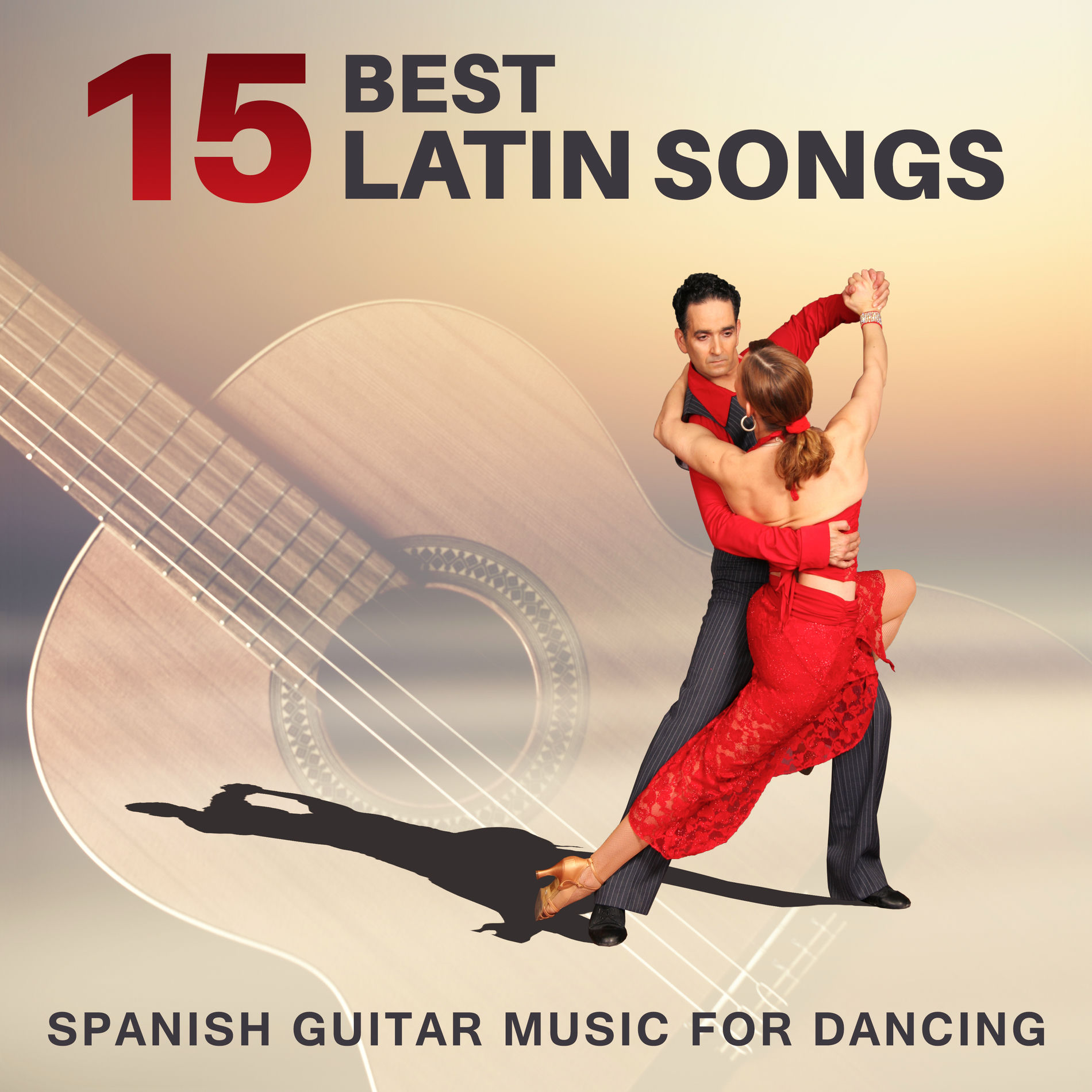
For many listeners, salsa is inseparable from dance. Salsa dancing is commonly performed with a partner and uses a repeating sequence of steps timed to the music. Styles differ around the world, and dancers may emphasize different beats, turns, footwork, and body movement. Social dancing is a major part of salsa culture, with clubs, festivals, classes, and community events welcoming beginners and experienced dancers alike.
The relationship between music and dance is dynamic. A percussion break can inspire a dancer’s footwork, while a shift in the band’s arrangement may signal a change in energy. Learning to hear the clave and other rhythmic patterns can help dancers connect more closely with the music.
A Living, Evolving Tradition
Salsa continues to change as musicians bring new ideas to its established rhythms. Artists have blended salsa with jazz, rock, hip-hop, and contemporary pop, while others have explored older styles and regional traditions. The genre remains popular across Latin America, the United States, Europe, and beyond.
At its heart, salsa celebrates collaboration. Its layered rhythms invite listeners to move, its call-and-response vocals encourage participation, and its history reflects the creativity of communities shaped by migration and cultural exchange. Whether heard on a classic recording, at a live concert, or on a crowded dance floor, salsa remains a powerful expression of musical connection.
Exploring Salsa Music: Answers to 9 Common Questions
- What is salsa music?
- Where did salsa music originate?
- What musical styles influenced salsa?
- What instruments are commonly used in salsa music?
- What is the clave rhythm in salsa?
- How is salsa music different from merengue or bachata?
- Who are some of the most influential salsa musicians?
- What are the main styles of salsa music?
- How do you dance to salsa music?
What is salsa music?
Salsa music is a lively, rhythm-driven style that blends Afro-Cuban and other Caribbean traditions with influences from jazz and Latin American music. Often featuring percussion, piano, bass, horns, and expressive vocals, salsa is known for its layered rhythms, call-and-response singing, and close connection to social dancing. Although its sound varies by artist and region, salsa is both a musical genre and a cultural tradition shaped by communities across the Caribbean and the Americas.
Where did salsa music originate?
Salsa music developed in New York City, particularly during the 1960s and 1970s, as Caribbean and Latin American musicians blended musical traditions in a vibrant urban scene. Its foundations are strongly rooted in Cuban styles such as son, mambo, and rumba, alongside Puerto Rican influences and other Afro-Caribbean rhythms. Rather than originating in one place alone, salsa grew from these traditions and was shaped into a recognizable genre in New York.
What musical styles influenced salsa?
Salsa draws on a rich mix of musical traditions, especially Cuban styles such as son, mambo, cha-cha-chá, rumba, and danzón. Puerto Rican genres, including bomba and plena, also contributed rhythms and sounds, while jazz and big-band music influenced salsa’s arrangements, horns, and improvisation. Together, these influences helped create salsa’s distinctive blend of Afro-Caribbean percussion, energetic melodies, and danceable grooves.
What instruments are commonly used in salsa music?
Salsa music commonly features a lively mix of percussion, piano, bass, and brass. Congas, bongos, and timbales create its layered rhythms, while the clave—a pair of wooden sticks—marks a guiding rhythmic pattern. Piano often plays a repeating figure called a montuno, and bass anchors the groove. Trumpets and trombones add bright melodies and powerful accents; some bands also include saxophones, guitars, or vocals.
What is the clave rhythm in salsa?
The clave is a repeating rhythmic pattern that serves as the foundation for much of salsa music. Traditionally played on two wooden sticks called claves, it organizes the music into a five-beat pattern spread across two measures, commonly called “3–2” or “2–3” depending on which measure has three beats. The clave may not always be played aloud, but the other instruments and singers often arrange their parts around its pulse, giving salsa its distinctive rhythmic flow.
How is salsa music different from merengue or bachata?
Salsa, merengue, and bachata are all popular Latin music styles, but they differ in rhythm, instrumentation, and dance feel. Salsa typically features layered Afro-Caribbean percussion, piano, bass, and a bright horn section, creating a syncopated, energetic sound. Merengue is usually driven by a steady two-beat pulse, often led by accordion, saxophone, or horns alongside güira and tambora, making it feel especially direct and propulsive. Bachata tends to be more intimate and guitar-centered, with a distinctive rhythmic guitar pattern and lyrics often focused on romance or heartbreak. Their dances differ, too: salsa commonly uses turns and intricate partner patterns, merengue relies on a simple marching step, and bachata is often danced with a closer connection and a side-to-side rhythm.
Who are some of the most influential salsa musicians?
Some of the most influential salsa musicians include Celia Cruz, celebrated for her powerful voice and enduring presence; Tito Puente, a bandleader and percussionist known as the “King of Latin Music”; and Héctor Lavoe, whose expressive singing helped define salsa’s sound in New York. Bandleader Johnny Pacheco and trombonist Willie Colón were central to the genre’s rise, while singer and songwriter Rubén Blades brought socially conscious storytelling to salsa. Earlier artists such as Arsenio Rodríguez and Ismael Rivera also helped shape the musical traditions that salsa grew from.
What are the main styles of salsa music?
The main styles of salsa music include Cuban salsa, known for its strong Afro-Cuban rhythms and lively improvisation; New York salsa, often featuring powerful brass arrangements and jazz influences; and Puerto Rican salsa, which blends Caribbean rhythms with distinctive vocal and percussion traditions. Salsa romántica emphasizes melodic, love-centered lyrics and a smoother sound, while salsa dura is faster and more rhythmically intense, with prominent horns and percussion. These styles often overlap, and artists may combine elements from several traditions.
How do you dance to salsa music?
To dance to salsa music, start by listening for the steady rhythm and practicing a basic six-step pattern over eight beats: step forward or back, replace your weight, then take a small step to the side, pausing on the fourth beat; repeat on the other side. Keep your steps small, stay relaxed, and let your hips move naturally. If dancing with a partner, maintain a comfortable connection and use gentle cues for turns. Salsa timing and styles can vary, so focus on enjoying the music and practice until the rhythm feels natural.