
Unleashing Creativity: The Soulful Journey Inside a Music Studio
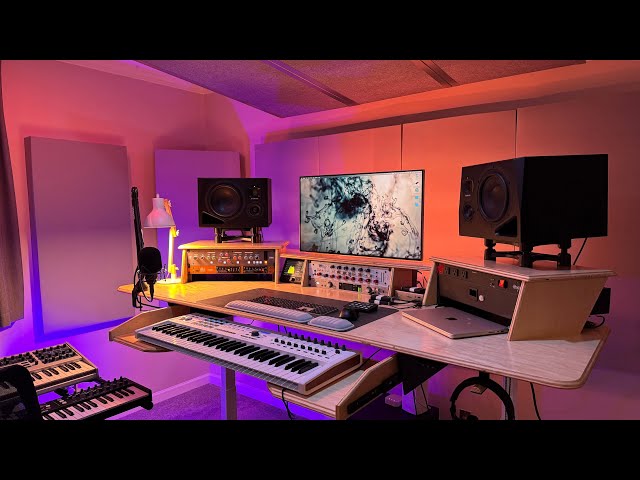
The Magic of a Music Studio: Where Creativity Comes to Life
Music studios are more than just rooms filled with equipment; they are the birthplace of musical masterpieces, where creativity flourishes and sounds come to life. Step inside a music studio, and you’ll find a world where artists transform their ideas into melodies, lyrics into songs, and emotions into timeless tunes.
One of the most enchanting aspects of a music studio is its ability to capture moments in time. Every note played, every lyric sung, and every beat produced is meticulously recorded, allowing artists to preserve their artistry for eternity. It’s within these walls that raw talent is refined, polished, and ultimately shared with the world.
But a music studio is more than just a recording space; it’s a sanctuary for musicians. It’s a place where they can experiment freely, push boundaries, and explore new sonic territories without limitations. The studio environment fosters collaboration and innovation, inspiring artists to create works that resonate deeply with listeners.
From state-of-the-art recording equipment to soundproof walls that isolate every sound wave, music studios are designed to enhance the creative process. Producers work tirelessly behind the mixing console, shaping sounds and sculpting arrangements until they achieve sonic perfection. Engineers fine-tune every detail, ensuring that each track captures the essence of the artist’s vision.
Moreover, music studios serve as hubs of inspiration. The atmosphere is charged with energy as musicians immerse themselves in their craft, drawing inspiration from their surroundings and fellow collaborators. It’s a place where ideas flow freely, melodies take shape effortlessly, and magic happens with each chord struck.
In essence, a music studio is more than just a physical space; it’s a gateway to another world—a world where creativity knows no bounds and where passion reigns supreme. It’s where dreams are realized, emotions are expressed, and artistry thrives. So next time you step into a music studio or hear a song that moves you profoundly, remember the magic that happens behind those closed doors—a magic that transforms mere notes into timeless symphonies.
Top 5 Benefits of a Professional Music Studio: Elevate Your Sound and Creativity
- Professional equipment for high-quality recordings
- Soundproof environment for optimal sound isolation
- Creative space that inspires musical innovation
- Opportunity for collaboration with skilled producers and engineers
- Ability to experiment and refine music without distractions
7 Challenges of Running a Music Studio: Costs, Space, and Technical Hurdles
- Costly equipment and technology upgrades can be expensive to maintain.
- Soundproofing and acoustics improvements may require significant investments.
- Limited space in smaller studios can restrict movement and creativity.
- Technical issues with recording equipment can lead to delays and frustration.
- Scheduling conflicts may arise when multiple artists or bands share the same studio.
- Noise pollution from neighboring studios or external sources can disrupt recording sessions.
- High rental fees for top-tier professional studios may be prohibitive for independent musicians.
Professional equipment for high-quality recordings
Music studios offer the invaluable advantage of professional equipment for high-quality recordings. With top-of-the-line microphones, mixing consoles, and recording software, artists can capture their music with pristine clarity and precision. This advanced gear ensures that every nuance of a performance is faithfully captured, allowing musicians to achieve the highest standards of sound quality in their recordings. The use of professional equipment in a music studio elevates the production value of music projects, resulting in polished tracks that stand out for their exceptional sonic fidelity and richness.
Soundproof environment for optimal sound isolation
A key advantage of a music studio is its soundproof environment, which ensures optimal sound isolation. By minimizing external noise interference and controlling reverberations within the space, musicians can focus solely on capturing pristine audio recordings. This controlled acoustic environment allows for precise monitoring, mixing, and mastering of music tracks, resulting in professional-quality sound production that captures every nuance and detail of the music being created.
Creative space that inspires musical innovation
A music studio serves as a creative space that inspires musical innovation by providing artists with the freedom to explore new ideas, experiment with different sounds, and push the boundaries of traditional music genres. Within the walls of a studio, musicians are encouraged to think outside the box, collaborate with like-minded individuals, and channel their creativity into groundbreaking compositions. This environment fosters a culture of innovation where artists can break free from conventions and create music that is truly original and transformative. The studio’s ambiance ignites a spark of inspiration in artists, leading to the birth of fresh melodies, innovative techniques, and unique sonic textures that redefine the landscape of modern music.
Opportunity for collaboration with skilled producers and engineers
One significant advantage of a music studio is the opportunity it provides for collaboration with skilled producers and engineers. Working alongside experienced professionals in the industry not only enhances the quality of the final product but also offers invaluable insights and expertise. These experts bring a wealth of knowledge to the table, helping artists refine their sound, experiment with new techniques, and elevate their music to new heights. The collaborative environment fosters creativity and innovation, leading to dynamic partnerships that result in exceptional musical creations.
Ability to experiment and refine music without distractions
Within a music studio, artists have the invaluable pro of being able to experiment and refine their music without distractions. This controlled environment allows musicians to focus solely on their craft, exploring new sounds, melodies, and arrangements without external interruptions. With the freedom to push boundaries and try innovative techniques, artists can truly hone their musical vision and create works that are polished to perfection. The absence of distractions in a music studio fosters a creative atmosphere where artists can fully immerse themselves in their artistry, leading to the development of unique and captivating musical compositions.
Costly equipment and technology upgrades can be expensive to maintain.
One significant drawback of music studios is the financial burden associated with costly equipment and technology upgrades. Maintaining state-of-the-art recording gear, sound systems, and software can be a substantial investment for studio owners and musicians alike. The constant need to stay current with technological advancements in the industry often leads to significant expenses, making it challenging for many studios to keep up with the latest tools and equipment necessary to produce high-quality music. This financial strain can limit access to top-tier resources and hinder artists’ ability to fully realize their creative vision within a studio environment.
Soundproofing and acoustics improvements may require significant investments.
One notable con of setting up a music studio is that achieving optimal soundproofing and acoustics can necessitate substantial financial investments. Creating a space where sound is controlled and acoustics are optimized often involves the installation of specialized materials, such as acoustic panels, bass traps, and soundproofing insulation. These enhancements are crucial for ensuring high-quality recordings and minimizing external noise interference, but the costs associated with implementing them can pose a significant challenge for individuals or organizations looking to establish a professional-grade music studio.
Limited space in smaller studios can restrict movement and creativity.
Limited space in smaller music studios can pose a significant challenge for artists, as it can restrict movement and hinder creativity. With cramped quarters and limited room to maneuver, musicians may find themselves feeling constrained and unable to fully express themselves. The lack of space can impede collaborative efforts and limit the ability to experiment with different sounds and arrangements. In such environments, artists may struggle to explore new ideas freely, leading to a potential roadblock in the creative process.
Technical issues with recording equipment can lead to delays and frustration.
Technical issues with recording equipment in a music studio can be a significant drawback, often resulting in delays and frustration for artists and producers. When equipment malfunctions or fails to operate as expected, it disrupts the creative flow and can hinder the recording process. Artists may find themselves unable to capture their best performances, leading to feelings of disappointment and impatience. Moreover, troubleshooting technical problems can consume valuable time that could have been spent on perfecting musical arrangements or experimenting with new sounds. Overall, dealing with technical issues in a music studio can be a challenging obstacle that tests the patience and resilience of all involved in the creative process.
Scheduling conflicts may arise when multiple artists or bands share the same studio.
Scheduling conflicts can present a significant challenge in music studios, especially when multiple artists or bands are vying for time in the same space. With each artist having their own unique creative process and recording requirements, coordinating schedules can become complex and lead to delays in project timelines. These conflicts may result in frustration for musicians eager to work on their music, as they have to navigate around others’ bookings. Clear communication and efficient scheduling practices are essential to mitigate these issues and ensure a harmonious working environment for all artists sharing the studio.
Noise pollution from neighboring studios or external sources can disrupt recording sessions.
Noise pollution from neighboring studios or external sources can pose a significant challenge for music studios, especially during critical recording sessions. Unwanted sounds seeping into the studio space can disrupt the creative flow, leading to frustration and compromising the quality of the recordings. From loud equipment noises to outside traffic or construction sounds, these disturbances can derail the artistic process and hinder musicians’ ability to focus and perform at their best. Mitigating such noise pollution becomes essential to maintain a conducive environment for musical creativity and ensure that every note is captured flawlessly.
High rental fees for top-tier professional studios may be prohibitive for independent musicians.
High rental fees for top-tier professional studios can pose a significant challenge for independent musicians looking to record their music. The cost of accessing state-of-the-art equipment and experienced engineers in these studios can be prohibitive, limiting the opportunities for talented artists with limited financial resources. As a result, many independent musicians may struggle to afford the high rental fees, making it difficult for them to achieve the level of production quality they desire for their music. This financial barrier highlights the need for more accessible and affordable studio options to support the diverse voices and talents within the music industry.