
The Melodic Magic of Kids Music: A Harmonious Journey for Little Ears
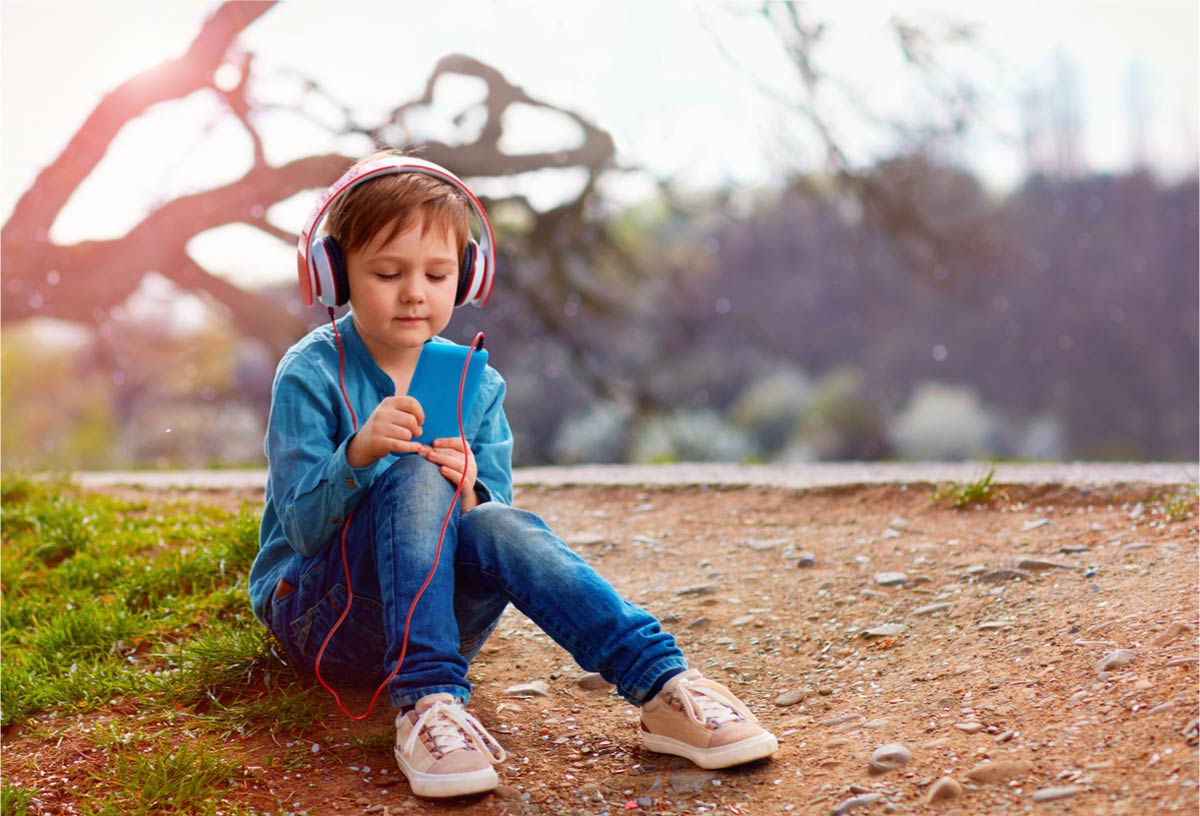
The Magic of Kids Music: Why It Matters
Music has a unique way of touching our hearts and souls, and when it comes to kids, its impact is even more profound. Kids music is not just about catchy tunes and silly lyrics; it plays a crucial role in the development and well-being of children. Let’s explore why kids music matters.
Educational Benefits
Kids music is not only entertaining but also educational. From teaching basic concepts like numbers and colors to enhancing language skills and cognitive development, music can be a powerful tool for learning. Songs with repetitive melodies and lyrics help children remember information more effectively.
Emotional Expression
Music provides a safe outlet for kids to express their emotions. Whether they’re feeling happy, sad, or excited, listening to music can help children process their feelings and understand them better. Singing along to songs allows kids to explore different emotions in a fun and creative way.
Social Connection
Kids music has the ability to bring children together. Whether it’s singing together in a classroom or dancing along to their favorite songs at home, music creates opportunities for social interaction and bonding among kids. It fosters a sense of community and belonging that is essential for healthy development.
Imagination and Creativity
Through music, kids can unleash their imagination and creativity. Songs with imaginative lyrics spark children’s creativity and inspire them to think outside the box. Music encourages kids to explore new ideas, dream big, and express themselves in ways they may not be able to through words alone.
Fun and Joy
Above all, kids music brings joy and fun into children’s lives. Whether it’s dancing around the living room or singing along in the car, music adds an element of happiness to everyday moments. The infectious melodies and upbeat rhythms of kids songs create a sense of joy that is contagious.
In conclusion, kids music is more than just entertainment—it’s a powerful tool for learning, emotional expression, social connection, imagination, and joy. So next time you hear your child humming a tune or asking for their favorite song, remember the magic that music brings into their world.
7 Tips for Introducing Kids to Music: Fun, Learning, and Bonding
- 1. Choose music with simple and catchy melodies that kids can easily sing along to.
- 2. Look for songs with positive and age-appropriate lyrics that promote learning and creativity.
- 3. Incorporate a variety of musical styles to introduce children to different genres and rhythms.
- 4. Use music as a fun way to teach concepts such as numbers, colors, and the alphabet.
- 5. Encourage movement and dance by playing upbeat and energetic tunes for kids to groove to.
- 6. Create a musical environment at home by having musical instruments or toys available for kids to explore.
- 7. Sing together with your child to strengthen your bond and create lasting memories through music.
1. Choose music with simple and catchy melodies that kids can easily sing along to.
When selecting music for children, opt for tunes with uncomplicated and memorable melodies that youngsters can effortlessly sing along with. Simple and catchy melodies not only engage kids but also make it easier for them to remember the songs. This approach enhances their enjoyment of the music while encouraging active participation through singing, fostering a fun and interactive musical experience that can spark their creativity and love for music from an early age.
2. Look for songs with positive and age-appropriate lyrics that promote learning and creativity.
When exploring kids music, it is essential to seek out songs with positive and age-appropriate lyrics that not only entertain but also promote learning and creativity. Opting for music that conveys uplifting messages and encourages imagination can have a significant impact on children’s development. By selecting songs that align with their age group and foster a love for learning, parents and caregivers can create a nurturing musical environment that enhances cognitive skills and sparks creativity in young minds.
3. Incorporate a variety of musical styles to introduce children to different genres and rhythms.
By incorporating a variety of musical styles into children’s music experiences, parents and educators can introduce kids to a diverse range of genres and rhythms. Exposing children to different styles of music not only broadens their musical horizons but also helps them develop an appreciation for the richness and diversity of the musical world. Whether it’s jazz, classical, folk, or world music, exposing children to various genres can spark their curiosity and creativity while nurturing a lifelong love for music.
4. Use music as a fun way to teach concepts such as numbers, colors, and the alphabet.
Using music as a fun and engaging tool to teach concepts like numbers, colors, and the alphabet is a brilliant way to make learning enjoyable for kids. By incorporating catchy tunes and playful lyrics into educational songs, children can easily absorb and retain information while having a great time. Music adds a dynamic element to traditional teaching methods, making the learning process interactive and memorable for young learners.
5. Encourage movement and dance by playing upbeat and energetic tunes for kids to groove to.
Encouraging movement and dance in children through upbeat and energetic tunes is a fantastic way to promote physical activity and creativity. By playing lively music that inspires kids to groove and move, they not only have fun but also improve their coordination, motor skills, and overall sense of rhythm. Dancing to music helps children express themselves freely and boosts their confidence while keeping them active and engaged. It’s a joyful way for kids to release energy, have fun, and develop a love for music that will stay with them throughout their lives.
6. Create a musical environment at home by having musical instruments or toys available for kids to explore.
Creating a musical environment at home is a wonderful way to foster children’s love for music and encourage their creativity. By having musical instruments or toys readily available for kids to explore, you are providing them with the opportunity to engage with music in a hands-on way. Whether it’s banging on drums, strumming a guitar, or tinkering on a keyboard, these experiences not only spark children’s curiosity but also help develop their motor skills and sense of rhythm. Encouraging exploration and play with musical instruments at home can lead to delightful moments of self-expression and discovery for kids as they embark on their musical journey.
7. Sing together with your child to strengthen your bond and create lasting memories through music.
Singing together with your child is not only a fun activity but also a wonderful way to strengthen your bond and create lasting memories through music. Sharing the joy of music through singing fosters a sense of closeness and connection between you and your child. It creates a special moment of harmony and togetherness that will be cherished for years to come. So, next time you have the chance, grab a songbook or simply sing along to your favorite tunes with your child—it’s a simple yet powerful way to deepen your relationship and make beautiful memories together.