
Exploring the Timeless Beauty of Folk Music
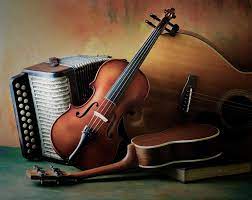
The Timeless Beauty of Folk Music
Folk music, with its roots deeply embedded in the cultural heritage of various regions around the world, continues to captivate audiences with its timeless beauty and authenticity. From the haunting melodies of Appalachian ballads to the lively rhythms of Irish jigs, folk music embodies the stories and traditions passed down through generations.
One of the most enchanting aspects of folk music is its ability to evoke a sense of nostalgia and connection to the past. Through simple yet profound lyrics and melodies that resonate with universal themes of love, loss, and resilience, folk songs have a way of touching the hearts of listeners across different ages and backgrounds.
Furthermore, folk music serves as a powerful vehicle for cultural preservation and storytelling. By celebrating local traditions, customs, and histories through song, folk musicians play a vital role in keeping heritage alive and fostering a sense of community among those who share in these musical traditions.
Whether performed acoustically with traditional instruments like acoustic guitars, fiddles, or banjos or reimagined with modern influences, folk music continues to evolve while staying true to its roots. Artists such as Bob Dylan, Joni Mitchell, Joan Baez, and many others have contributed to shaping the contemporary landscape of folk music while honoring its rich legacy.
In an era dominated by digital sounds and synthetic beats, the enduring appeal of folk music lies in its raw authenticity and emotional depth. It serves as a reminder that amidst the fast-paced world we live in, there is solace to be found in the simplicity and sincerity of a well-crafted folk song.
So next time you find yourself yearning for music that speaks to your soul and resonates with your spirit, consider immersing yourself in the enchanting world of folk music. Let its melodies carry you away on a journey through time and tradition—a journey filled with beauty, meaning, and heartfelt storytelling.
Exploring Folk Music: Top Songs, Types, and Modern Interpretations
- What is the greatest folk song of all time?
- What are the five types of folk songs?
- What are the 12 folk songs for solo singers?
- What are the 3 types of folk songs?
- What are the 7 types of folk songs?
- What is folk music today?
- What is considered folk music?
What is the greatest folk song of all time?
The question of what constitutes the greatest folk song of all time is a subjective and highly debated topic within the realm of music enthusiasts. Folk music, with its rich tapestry of traditions and cultural influences, has produced countless iconic songs that hold significance for different individuals. From classics like “Blowin’ in the Wind” by Bob Dylan to timeless ballads such as “The House of the Rising Sun,” opinions on the greatest folk song vary widely based on personal preferences, historical context, and emotional connections. Ultimately, the beauty of folk music lies in its diversity and ability to resonate with listeners in unique and profound ways, making it challenging to pinpoint a single song as the definitive “greatest” within this genre.
What are the five types of folk songs?
Folk songs encompass a diverse range of musical expressions that reflect the cultural identities and traditions of different communities. While the classification of folk songs can vary depending on regional influences and historical contexts, some common types include ballads, work songs, spirituals, lullabies, and protest songs. Ballads often narrate stories of love, tragedy, or historical events through poetic lyrics set to music. Work songs emerged as a way for laborers to synchronize their movements during tasks like farming or construction. Spirituals are deeply rooted in African American culture and convey religious themes and emotions. Lullabies are soothing melodies sung to children to lull them to sleep. Protest songs serve as vehicles for social commentary and activism, addressing issues such as civil rights, war, and inequality. Each type of folk song carries its own unique significance and contributes to the rich tapestry of folk music traditions worldwide.
What are the 12 folk songs for solo singers?
The question “What are the 12 folk songs for solo singers?” is a common inquiry among those looking to explore and perform traditional folk music as a soloist. While there isn’t a definitive list of 12 specific folk songs designated for solo singers, the world of folk music offers a vast repertoire of timeless classics and lesser-known gems that are well-suited for solo performances. From haunting ballads to lively dance tunes, folk songs encompass a wide range of themes and emotions, making it possible for solo singers to choose pieces that resonate with their personal style and vocal abilities. Exploring this rich musical tradition can lead to discovering new favorites and connecting with audiences through the universal language of folk music.
What are the 3 types of folk songs?
Folk songs encompass a diverse array of musical expressions, each reflecting the unique cultural heritage and traditions of different regions. While the classification of folk songs can vary depending on the criteria used, three common types often cited are traditional ballads, work songs, and protest songs. Traditional ballads are narrative songs that tell stories of love, tragedy, or historical events passed down orally through generations. Work songs, on the other hand, were sung by laborers during tasks like farming or railroad construction to coordinate movements and alleviate monotony. Protest songs emerged as a form of social commentary, addressing issues such as civil rights, war, or environmental concerns through poignant lyrics and melodies. These three types of folk songs not only showcase the diversity within the genre but also highlight the enduring power of music to convey emotions and narratives that resonate with audiences across time and cultures.
What are the 7 types of folk songs?
Folk music encompasses a diverse array of musical expressions, each reflecting the unique cultural traditions and histories of different regions. While the classification of folk songs varies across cultures, some commonly recognized types include ballads, work songs, spirituals, sea shanties, lullabies, protest songs, and dance tunes. Ballads often recount narratives of love, tragedy, or historical events, while work songs and sea shanties were traditionally sung to synchronize labor tasks or coordinate movements on ships. Spirituals emerged from African American religious traditions, conveying messages of faith and hope. Lullabies soothe infants to sleep with gentle melodies, while protest songs serve as a voice for social or political change. Dance tunes are lively compositions that accompany traditional dances, showcasing the celebratory spirit of folk music in communal settings.
What is folk music today?
Folk music today encompasses a diverse array of sounds and styles that draw inspiration from traditional musical forms while embracing contemporary influences. It serves as a reflection of cultural identity, social commentary, and personal expression in the modern world. Whether it’s artists revitalizing age-old ballads with a fresh twist or creating new compositions rooted in folk traditions, the essence of folk music lies in its ability to evolve and adapt to the changing times while preserving the essence of storytelling and community connection. Today, folk music continues to thrive as a vibrant and dynamic genre that bridges the gap between past and present, offering listeners a glimpse into the rich tapestry of human experiences through melodies that resonate across generations.
What is considered folk music?
Folk music is a genre that encompasses a wide range of traditional music passed down orally through generations within a specific community or culture. It often reflects the customs, beliefs, and experiences of the people who create and perform it. What sets folk music apart is its emphasis on storytelling and authenticity, with themes that resonate with everyday life and universal emotions. From ballads and work songs to dance tunes and lullabies, folk music celebrates the rich tapestry of human experience in all its diversity and complexity.