
Funk Music: The Sound That Changed the Groove
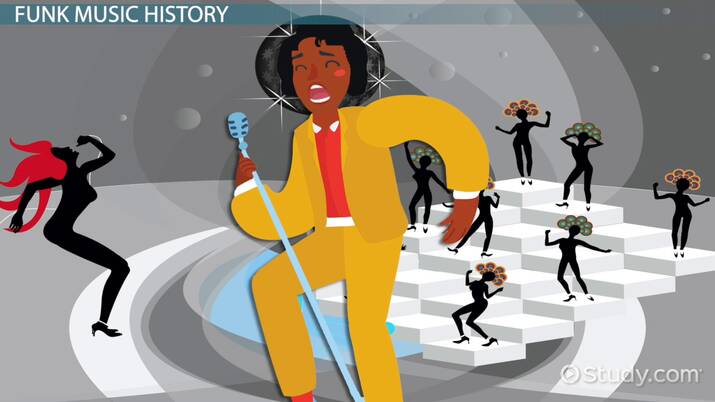
Funk Music: The Sound of the Groove
Funk is music built around rhythm. With deep bass lines, crisp drum patterns, sharp guitar parts, and bold horn riffs, it puts the groove at the center of the song. Its sound is energetic and expressive, but funk is more than a style of dance music: it is a major part of American musical history and a lasting influence on genres around the world.
The Roots of Funk
Funk took shape in the African American musical traditions of the 1960s, drawing on rhythm and blues, soul, jazz, and gospel. Bandleader and performer James Brown was one of its most influential pioneers. In recordings such as “Papa’s Got a Brand New Bag” and “Cold Sweat,” Brown and his band emphasized tight, interlocking rhythms. The bass and drums carried the pulse, while guitars, horns, and vocals added short, emphatic accents.
Other artists helped expand funk’s sound. Sly and the Family Stone blended funk with rock, soul, and psychedelic music. In New Orleans, groups such as The Meters developed a distinctive, relaxed but intricate groove. By the 1970s, George Clinton’s Parliament-Funkadelic had pushed funk toward elaborate arrangements, imaginative stage shows, and a playful, otherworldly style.
What Makes Funk Sound Like Funk?
Funk often relies on a strong, repeating groove rather than a fast-changing chord progression. Bass and drums are especially important: the bass may carry a memorable melodic line, while the drums create a flexible, syncopated beat. Guitarists often use clipped, percussive chords, and horn sections may play punchy riffs that answer or reinforce the vocals.
A key idea in funk is the emphasis on “the one”—the first beat of a measure. When the band locks into that beat, even a simple phrase can feel powerful. Syncopation, rhythmic accents that fall between the main beats, keeps the music lively and unpredictable. The result can sound both tightly arranged and spontaneous.
Funk Through the Decades
Funk continued to evolve in the 1970s. Artists such as Stevie Wonder, Curtis Mayfield, and Ohio Players brought their own approaches to the style, while groups including Earth, Wind & Fire combined funk with soul, jazz, and polished pop arrangements. Funk also helped shape disco, especially through its danceable bass lines and steady rhythms.
In the 1980s, performers such as Prince and Rick James brought funk into new pop and rock settings. At the same time, funk’s recordings became a foundational resource for hip-hop producers. Breakbeats, bass lines, and horn phrases from funk tracks were sampled and reworked into new songs, connecting generations of musicians.
A Lasting Influence
Funk’s impact can be heard in hip-hop, R&B, pop, dance music, and contemporary jazz. Its emphasis on rhythm has influenced musicians across styles, while its spirit of experimentation has encouraged artists to blend sounds and challenge expectations. Funk also remains a powerful live-music tradition, where musicians can stretch a groove through improvisation and audience interaction.
At its heart, funk is about making every part of a band contribute to the feel of the music. A bass line, a drum pattern, a guitar accent, or a shout from the crowd can all become part of the groove. That collective energy is what keeps funk moving—and why its sound continues to inspire listeners and musicians today.
6 Reasons to Love Funk: Infectious Grooves, Memorable Bass Lines, and More
- Funk has infectious grooves.
- Its bass lines are memorable.
- Funk invites people to dance.
- The music showcases tight musicianship.
- Funk encourages creative improvisation.
- Its influence spans many genres.
7 Cons of Funk Music: From Repetitive Grooves to Cluttered Arrangements
- Repetitive grooves can feel monotonous.
- Some tracks rely on extended instrumental jams.
- Prominent bass and drums may overpower vocals.
- Syncopated rhythms can take time to follow.
- Dense arrangements may sound cluttered.
- Classic funk recordings can feel dated to some listeners.
- The genre’s broad sound can be hard to define.
Funk has infectious grooves.
Funk’s infectious grooves make it hard to sit still. Built on punchy bass lines, syncopated rhythms, and crisp drum beats, the music creates a steady pulse that pulls listeners in. Whether it’s playing through speakers or performed live, a funky groove can lift the mood, get people moving, and bring everyone together on the dance floor.
Its bass lines are memorable.
Funk bass lines are memorable because they often take center stage, driving the song with bold rhythms and catchy melodic phrases. Their repeating grooves give each track a distinctive pulse, making the music easy to recognize and hard to sit still through. From deep, steady notes to nimble syncopated runs, funk bass turns rhythm into a hook listeners can remember long after the song ends.
Funk invites people to dance.
Funk invites people to dance with its deep bass lines, punchy drumbeats, and infectious grooves. Syncopated rhythms keep the music lively and playful, making it hard to stay still. Whether it’s playing at a party, a concert, or through headphones, funk brings people together through movement and shared energy.
The music showcases tight musicianship.
Funk music showcases tight musicianship, with every instrument working together to create a precise, irresistible groove. Bass and drums lock into intricate rhythms, while guitars, keyboards, and horns add crisp accents and memorable riffs. Even when the parts sound spontaneous, they often depend on careful timing, attentive listening, and skilled coordination—making the band’s chemistry an essential part of funk’s appeal.
Funk encourages creative improvisation.
Funk encourages creative improvisation by giving musicians a strong, repeating groove to build on while leaving room to experiment. Bassists can reshape a riff, drummers can add unexpected accents, and singers or horn players can respond to one another in the moment. This balance between a steady pulse and spontaneous ideas makes each performance feel lively and unique.
Its influence spans many genres.
Funk’s influence reaches far beyond its own genre. Its infectious bass lines, syncopated rhythms, and memorable grooves have shaped hip-hop, R&B, pop, rock, disco, and electronic music. Artists and producers continue to sample classic funk recordings, adapt their rhythms, and draw inspiration from funk’s bold, danceable sound, keeping its spirit alive in new styles.
Repetitive grooves can feel monotonous.
One common criticism of funk is that its repetitive grooves can feel monotonous, especially to listeners who prefer frequent changes in melody, harmony, or tempo. Because funk often builds a song around a steady beat and recurring bass line, some tracks may seem to stay in the same place for too long. For other listeners, though, that repetition is part of the appeal: it creates a hypnotic pulse that invites movement and lets small rhythmic changes stand out.
Some tracks rely on extended instrumental jams.
Some funk tracks rely on extended instrumental jams that can feel repetitive or go on longer than some listeners prefer. While these passages give musicians room to improvise and deepen the groove, they may slow the song’s momentum or make it feel less focused, especially for listeners who prefer concise arrangements and more frequent changes.
Prominent bass and drums may overpower vocals.
One potential drawback of funk is that its prominent bass and drums can sometimes overpower the vocals. The driving bass lines and punchy rhythms are central to the genre’s energy, but in a dense arrangement, they may make the lyrics harder to hear or draw attention away from the singer. This can be a matter of taste, especially for listeners who prefer vocals to take center stage.
Syncopated rhythms can take time to follow.
Funk’s syncopated rhythms can take time to follow, especially for listeners accustomed to more straightforward beats. Accents often land between the main beats, while bass, drums, guitar, and horns play interlocking patterns. At first, the groove may feel unpredictable or hard to count, but listening closely to the drums and bass can make the rhythm easier to recognize—and more rewarding to enjoy.
Dense arrangements may sound cluttered.
One potential drawback of funk music is that its dense arrangements can sometimes sound cluttered. Layered bass lines, busy drum patterns, rhythmic guitar, horns, and vocals may compete for attention, making it harder to pick out individual parts or follow the song’s central melody. For listeners who prefer a more spacious, restrained sound, this intensity can feel overwhelming.
Classic funk recordings can feel dated to some listeners.
Some listeners may find classic funk recordings dated because of their vintage production, era-specific lyrics, and sounds associated with older recording technology. Tight horn arrangements, warm analog tones, and prominent bass grooves are part of funk’s appeal, but they may feel less polished or contemporary to people accustomed to modern production. Still, what sounds old-fashioned to one listener can give these recordings their distinctive character and historical charm.
The genre’s broad sound can be hard to define.
One drawback of funk music’s broad, ever-evolving sound is that it can be difficult to define. The genre draws on soul, jazz, R&B, rock, and other styles, so artists and listeners may disagree about what counts as funk. This range makes the music exciting, but it can also make funk harder to categorize or introduce to people who expect a single, consistent sound.