
Soul Music: The Sound of Emotion and Expression
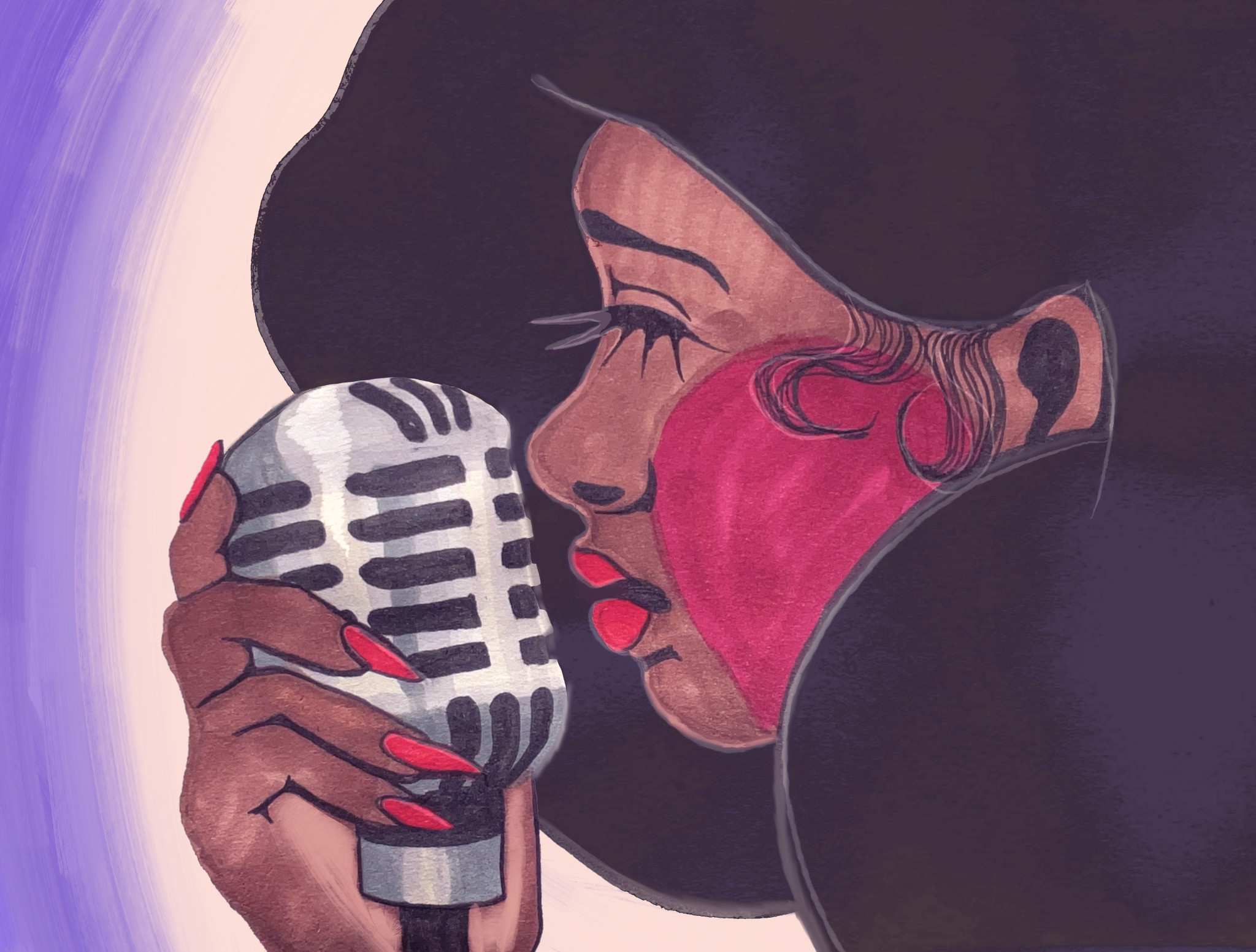
Soul Music: A Sound Rooted in Feeling
Soul music is more than a genre—it is a way of turning emotion into sound. Known for expressive vocals, memorable melodies, and deeply felt performances, soul has shaped popular music for generations. Its influence can be heard in R&B, funk, gospel, hip-hop, pop, and countless other styles.
The Roots of Soul
Soul music took shape in the United States during the 1950s and 1960s, drawing on African American musical traditions. Gospel provided its fervent vocal style and call-and-response patterns, while rhythm and blues contributed a strong backbeat and secular themes. Jazz, blues, and early rock and roll also helped shape its sound.
The genre grew alongside the Black freedom struggle and the social changes of the era. Some songs offered intimate stories about love and heartbreak; others expressed pride, hope, frustration, and the desire for justice. Soul’s emotional directness made it a powerful form of personal and cultural expression.
A Sound Built Around the Voice
Soul singers often bring a striking sense of personality to a performance. A voice might rise into a gospel-inspired cry, soften into a quiet confession, or stretch a phrase with a spontaneous flourish. That expressive delivery is central to the style: the goal is not just to sing the notes, but to make the listener feel the story behind them.
Classic soul arrangements commonly feature steady drums, bass, piano or organ, and bright horn sections. Backing singers may answer the lead vocal, echoing its phrases or building toward a dramatic chorus. The result can feel both polished and immediate, with carefully arranged music that still leaves room for spontaneity.
Regional Sounds and Landmark Artists
Soul developed in several musical centers, each with its own character. Motown, based in Detroit, became famous for sleek productions, catchy melodies, and tightly coordinated backing vocals. Stax Records in Memphis favored a rawer, groove-driven sound, often led by powerful rhythm sections and brass. Southern soul, associated with studios in places such as Muscle Shoals, combined gospel intensity with bluesy arrangements.
Among the artists who helped define soul are Ray Charles, Sam Cooke, James Brown, Otis Redding, Aretha Franklin, Marvin Gaye, and Stevie Wonder. Their music showed the genre’s remarkable range—from dance-floor energy and romantic ballads to socially conscious songwriting. Each brought a distinctive voice and perspective to the tradition.
How Soul Continues to Evolve
Soul never stood still. In the 1970s, artists expanded its sound with longer grooves, richer arrangements, and funk influences. Later generations carried its vocal style and emotional storytelling into neo-soul, contemporary R&B, and modern pop. Musicians continue to draw on soul’s warmth and honesty while combining it with new production techniques and musical influences.
Its lasting appeal comes from the way it connects musical craft with human experience. A great soul song can make joy feel contagious, give heartbreak room to breathe, or turn a private feeling into a shared one. Decades after the genre emerged, soul music remains a reminder of what a voice, a groove, and a powerful story can do together.
Soul Music FAQs: Meaning, R&B Differences, and the Top 10 Soul Singers
- What does soul stand for in music?
- What is the difference between R&B and soul?
- Why is soul music called soul music?
- What’s the difference between soul and R&B?
- Who are the top 10 soul singers of all time?
What does soul stand for in music?
In music, “soul” doesn’t stand for a specific set of initials; it describes a style rooted in emotional expression and African American musical traditions, especially gospel and rhythm and blues. Soul music is known for heartfelt vocals, expressive phrasing, strong rhythms, and themes such as love, struggle, hope, and identity.
What is the difference between R&B and soul?
R&B and soul are closely related, but they’re not quite the same. R&B is a broad musical genre that has evolved over time, blending blues, jazz, gospel, funk, pop, and, in modern forms, hip-hop and electronic sounds. Soul grew from mid-20th-century R&B, drawing especially on gospel’s passionate vocals and call-and-response style. It often emphasizes emotional, expressive singing and themes such as love, hardship, hope, and identity. The styles overlap considerably: soul is often considered a branch of R&B, while R&B includes many sounds that aren’t traditionally described as soul.
Why is soul music called soul music?
Soul music is called “soul” music because it emphasizes emotional expression, heartfelt singing, and a powerful connection to the listener. The name also reflects the genre’s roots in African American gospel, rhythm and blues, and blues traditions, where music often conveyed deep feeling, faith, struggle, and hope. The term captures both the intensity of the performance and the sense that the music comes from—and speaks to—the soul.
What’s the difference between soul and R&B?
Soul and R&B are closely related, and the terms often overlap, but they describe different musical emphases. R&B is a broad, evolving category that can include blues, funk, pop, hip-hop, and electronic influences. Soul, which grew from rhythm and blues and gospel, is often recognized by its gospel-inspired vocals, expressive delivery, and strong focus on emotional storytelling. In short, soul is one important branch of the wider R&B tradition, though many artists and songs fit comfortably into both.
Who are the top 10 soul singers of all time?
There’s no definitive ranking, but these 10 artists are often celebrated among soul music’s greatest singers: Aretha Franklin, Sam Cooke, Ray Charles, Otis Redding, Marvin Gaye, Stevie Wonder, Al Green, Etta James, James Brown, and Curtis Mayfield. Their powerful voices, distinctive styles, and lasting influence helped shape soul across generations.