
Boy George Songs: The Hits That Defined a Pop Icon
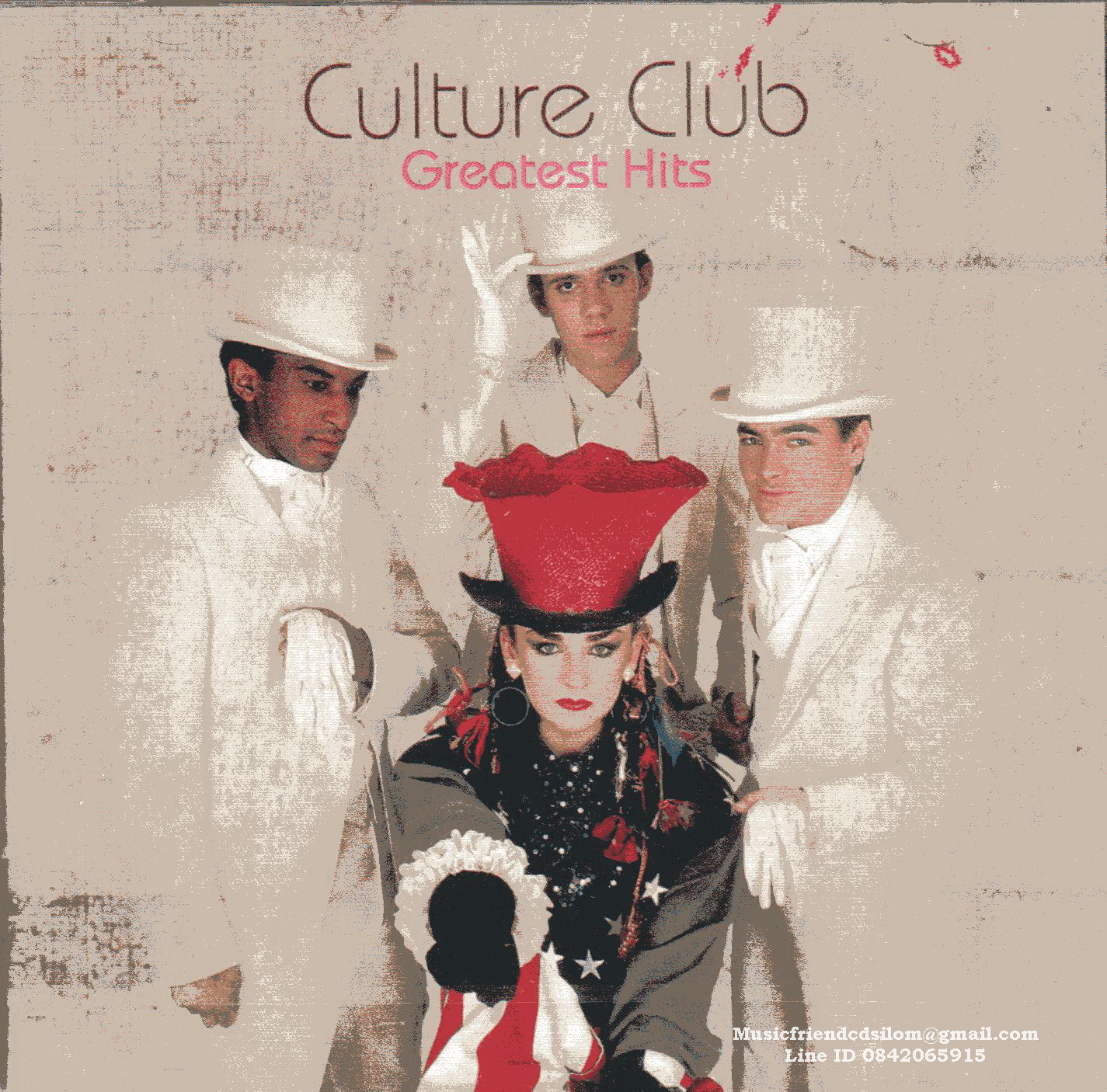
Boy George Songs: The Hits That Defined a Pop Icon
Boy George is known for a distinctive voice, bold personal style, and a catalog of songs that helped shape British pop in the 1980s. Best known as the lead singer of Culture Club, he brought warmth and emotional depth to music that blended pop, soul, reggae, and new wave. His work as a solo artist later showed another side of his musical range.
Culture Club’s Biggest Songs
Many of the songs associated with Boy George were released by Culture Club, the band he formed with Roy Hay, Mikey Craig, and Jon Moss. Their breakthrough arrived in the early 1980s, when catchy melodies and thoughtful lyrics helped the group find audiences around the world.
“Do You Really Want to Hurt Me”
This gentle, reggae-influenced song was Culture Club’s breakthrough hit in 1982. Boy George’s expressive vocal gives its story of romantic hurt a vulnerable, intimate quality. The song introduced many listeners to the band and remains one of its most recognizable recordings.
“Time (Clock of the Heart)”
Released in 1982, “Time (Clock of the Heart)” pairs a relaxed groove with a bittersweet message about love and missed opportunities. Its smooth arrangement and memorable chorus helped make it one of Culture Club’s signature songs.
“I’ll Tumble 4 Ya”
Bright, playful, and rhythmically distinctive, “I’ll Tumble 4 Ya” highlights Culture Club’s lighter pop side. The track helped introduce the band to American listeners and became one of their best-known early hits.
“Church of the Poison Mind”
Built around an energetic rhythm and a prominent backing vocal, “Church of the Poison Mind” is one of Culture Club’s most exuberant songs. It appeared on the group’s 1983 album Colour by Numbers, which also featured several of their biggest hits.
“Karma Chameleon”
Perhaps Culture Club’s most famous song, “Karma Chameleon” became an international hit in 1983. Its singalong chorus, country-tinged touches, and colorful production make it instantly recognizable. Beneath its buoyant sound, the song reflects on the difficulty of being true to yourself in a relationship.
“It’s a Miracle” and “The War Song”
“It’s a Miracle,” another Colour by Numbers track, combines an upbeat feel with Boy George’s unmistakable vocal style. “The War Song,” released in 1984, takes a more direct approach, using its repeated refrain to call attention to the human cost of conflict.
Boy George Beyond Culture Club
Boy George also pursued music outside the band. In the early 1990s, he released music under the name Jesus Loves You, including the dance-oriented single “Bow Down Mister.” The track drew on Indian musical influences and reflected his interest in spiritual themes.
In 1992, Boy George recorded “The Crying Game” for the film of the same name. The haunting cover brought his voice to a new audience and became one of his most prominent recordings as a solo artist. Its restrained arrangement lets the song’s melancholy lyrics take center stage.
Why Boy George’s Songs Still Resonate
Boy George’s most enduring songs balance strong pop hooks with genuine emotion. Culture Club’s music could be playful and danceable, but it also made room for longing, heartbreak, identity, and self-expression. That combination helped the songs travel beyond their original era.
Whether listeners start with “Karma Chameleon,” revisit “Do You Really Want to Hurt Me,” or discover “The Crying Game,” Boy George’s recordings offer a lasting reminder of how personality, melody, and feeling can come together in pop music.
Boy George Songs: FAQs About His Biggest Hits, Culture Club, and Solo Career
- What are Boy George’s most famous songs?
- What songs did Boy George sing with Culture Club?
- What was Boy George’s first solo hit?
- Did Boy George sing “The Crying Game”?
- What is the story behind Culture Club’s song “Karma Chameleon”?
What are Boy George’s most famous songs?
Boy George is best known as the lead singer of Culture Club, and his most famous songs include “Karma Chameleon,” “Do You Really Want to Hurt Me,” “Time (Clock of the Heart),” “I’ll Tumble 4 Ya,” and “Church of the Poison Mind.” As a solo artist, he is also well known for “The Crying Game,” his evocative recording for the 1992 film of the same name.
What songs did Boy George sing with Culture Club?
Boy George was the lead singer of Culture Club and performed on many of the band’s best-known songs, including “Do You Really Want to Hurt Me,” “Time (Clock of the Heart),” “I’ll Tumble 4 Ya,” “Karma Chameleon,” “Church of the Poison Mind,” “It’s a Miracle,” and “Miss Me Blind.” He also sang on later hits such as “The War Song” and “Move Away.” These tracks showcase Culture Club’s blend of pop, soul, reggae, and new wave, along with Boy George’s distinctive voice.
What was Boy George’s first solo hit?
Boy George’s first major solo hit was “Everything I Own,” his 1987 cover of the Bread song. Released after Culture Club’s initial breakup, it reached No. 1 on the UK singles chart and introduced his solo sound to a wide audience.
Did Boy George sing “The Crying Game”?
Yes. Boy George recorded a well-known version of “The Crying Game” for the 1992 film of the same name. The song was originally recorded by Dave Berry in 1964, and Boy George’s haunting cover introduced it to a new generation of listeners.
What is the story behind Culture Club’s song “Karma Chameleon”?
Culture Club’s “Karma Chameleon” is about the strain of changing yourself to please someone else and the damage that can cause in a relationship. Boy George has described its central idea as trying to stay true to yourself rather than shifting to suit other people—the “chameleon” in the title reflects that changeability. Released in 1983, the song pairs this theme with a buoyant, singalong melody, making its message of honesty and self-acceptance easy to miss beneath the upbeat sound.