
Exploring the Enchanting World of Music Notes
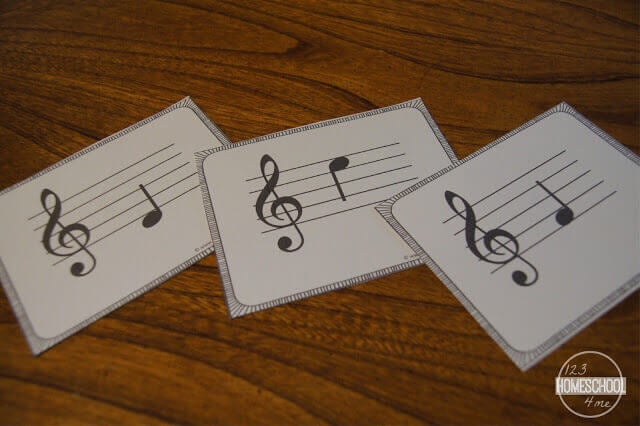
The Magic of Music Notes
Music notes are the building blocks of melodies, harmonies, and rhythms that captivate our hearts and minds. Each note carries its own unique sound and character, coming together to create the beautiful tapestry of music that enriches our lives.
From the hauntingly melancholic sound of a minor note to the uplifting resonance of a major note, each musical note has the power to evoke emotions and tell stories without uttering a single word. They transcend language barriers and speak directly to our souls.
When arranged in sequences and patterns, music notes form melodies that can transport us to different worlds, evoke memories long forgotten, or inspire us to dance with unbridled joy. The combination of notes creates harmonies that blend seamlessly or clash dramatically, adding depth and complexity to musical compositions.
Rhythmic patterns created by notes give music its heartbeat, driving the tempo and flow of a piece. The interplay between different notes in a rhythm can create tension, release, anticipation, or resolution, keeping listeners engaged and enthralled.
Music notes are not just symbols on a page or keys on an instrument; they are vessels of expression that allow musicians to communicate their innermost thoughts and feelings. Through the artful arrangement of notes, composers weave intricate tales that resonate with audiences across cultures and generations.
So next time you listen to your favorite song or play a melody on an instrument, take a moment to appreciate the magic of music notes – tiny symbols with the power to move mountains and touch hearts in ways words never could.
Understanding Music Notes: Answers to 8 Common Questions
- What is a music note?
- How many types of music notes are there?
- What do different shapes of music notes represent?
- How are music notes placed on a staff?
- What is the difference between a whole note and a half note?
- How do you read and interpret music notes?
- What is the significance of rests in relation to music notes?
- Can you explain the concept of time signatures in relation to music notes?
What is a music note?
A music note is a symbolic representation of a specific pitch and duration in music notation. It serves as a fundamental element in sheet music, indicating to musicians the pitch they should play and for how long. Each note is characterized by its shape, such as a filled oval or a stem with flags, and its position on the staff determines its pitch. Understanding music notes is essential for musicians to interpret and perform musical compositions accurately, allowing them to bring melodies to life through their instruments or voices.
How many types of music notes are there?
In music theory, there are seven basic types of music notes: whole note, half note, quarter note, eighth note, sixteenth note, thirty-second note, and sixty-fourth note. Each type represents a specific duration or length of time within a musical piece, with shorter notes indicating quicker rhythms and longer notes signifying sustained sounds. Understanding the different types of music notes is essential for musicians to accurately interpret and perform musical compositions with precision and expression.
What do different shapes of music notes represent?
The different shapes of music notes hold significance in conveying various elements of a musical composition. For instance, the roundness or oval shape of a note indicates its duration or timing within a piece of music. A whole note signifies a longer duration compared to a half note, quarter note, or eighth note, each with its own unique time value. Additionally, the stems and flags attached to notes provide information on how they should be played in relation to each other, contributing to the overall rhythm and flow of the music. Understanding these distinctions in note shapes is essential for musicians to accurately interpret and perform musical pieces with precision and expression.
How are music notes placed on a staff?
Music notes are placed on a staff according to their pitch, which determines how high or low the sound they represent will be. The staff consists of five lines and four spaces where notes can be positioned. Each line and space represents a different pitch, with higher notes placed higher on the staff and lower notes positioned lower. The vertical position of a note on the staff indicates its pitch, while the shape and orientation of the note symbol determine its duration. By understanding how music notes are placed on a staff, musicians can read and interpret musical notation to bring compositions to life through performance.
What is the difference between a whole note and a half note?
A common query in music theory revolves around the distinction between a whole note and a half note. The key disparity lies in their durations: a whole note is held for four beats, representing the longest duration in common time signatures, while a half note is sustained for two beats. This fundamental dissimilarity in length impacts the rhythm and pacing of musical compositions, with whole notes providing a sense of sustained emphasis and half notes contributing to a more dynamic flow within a piece. Understanding the nuances between these two essential note values is crucial for musicians seeking to master timing and structure in their performances.
How do you read and interpret music notes?
Understanding how to read and interpret music notes is like unlocking a secret language that allows you to bring musical compositions to life. Each note on the staff represents a specific pitch and duration, guiding musicians on when to play a certain sound and for how long. By familiarizing yourself with the symbols, understanding rhythm patterns, and recognizing key signatures, you can decipher the intricate code of music notation and transform it into beautiful melodies that resonate with listeners. Practice, patience, and a keen ear are essential in mastering the art of reading and interpreting music notes, opening up a world of musical possibilities waiting to be explored.
What is the significance of rests in relation to music notes?
Rests play a crucial role in music notation by indicating periods of silence or pauses within a musical piece. While music notes represent sounds to be played or sung, rests signify moments of quietude and restraint, allowing for the necessary space and rhythmical structure in music. Just as notes contribute to the flow and expression of a composition, rests provide contrast, punctuation, and dynamic tension, enhancing the overall musical interpretation and conveying a sense of timing and phrasing essential for a balanced and nuanced performance.
Can you explain the concept of time signatures in relation to music notes?
Understanding time signatures in relation to music notes is essential for grasping the rhythmic structure of a piece of music. A time signature consists of two numbers written at the beginning of a musical staff, indicating the number of beats in each measure and which note value receives one beat. The top number denotes the number of beats per measure, while the bottom number represents the type of note that receives one beat. For example, in 4/4 time signature (common time), there are four beats per measure, and a quarter note receives one beat. Different time signatures can create varying rhythmic feels and patterns, influencing how music notes are grouped and played within a piece. Mastering time signatures allows musicians to interpret and perform music with precision and rhythmic accuracy.