
Unleashing the Power of MP3: A Digital Music Revolution
The Evolution of MP3: From Digital Revolution to Music Standard
MP3, short for MPEG-1 Audio Layer 3, has revolutionized the way we listen to music since its introduction in the early 1990s. This digital audio format drastically changed the music industry and how we consume music.
Developed by the Moving Picture Experts Group (MPEG), MP3 significantly reduced the file size of audio recordings without compromising sound quality. This breakthrough allowed users to store and share music files easily over the internet, paving the way for online music distribution and file sharing.
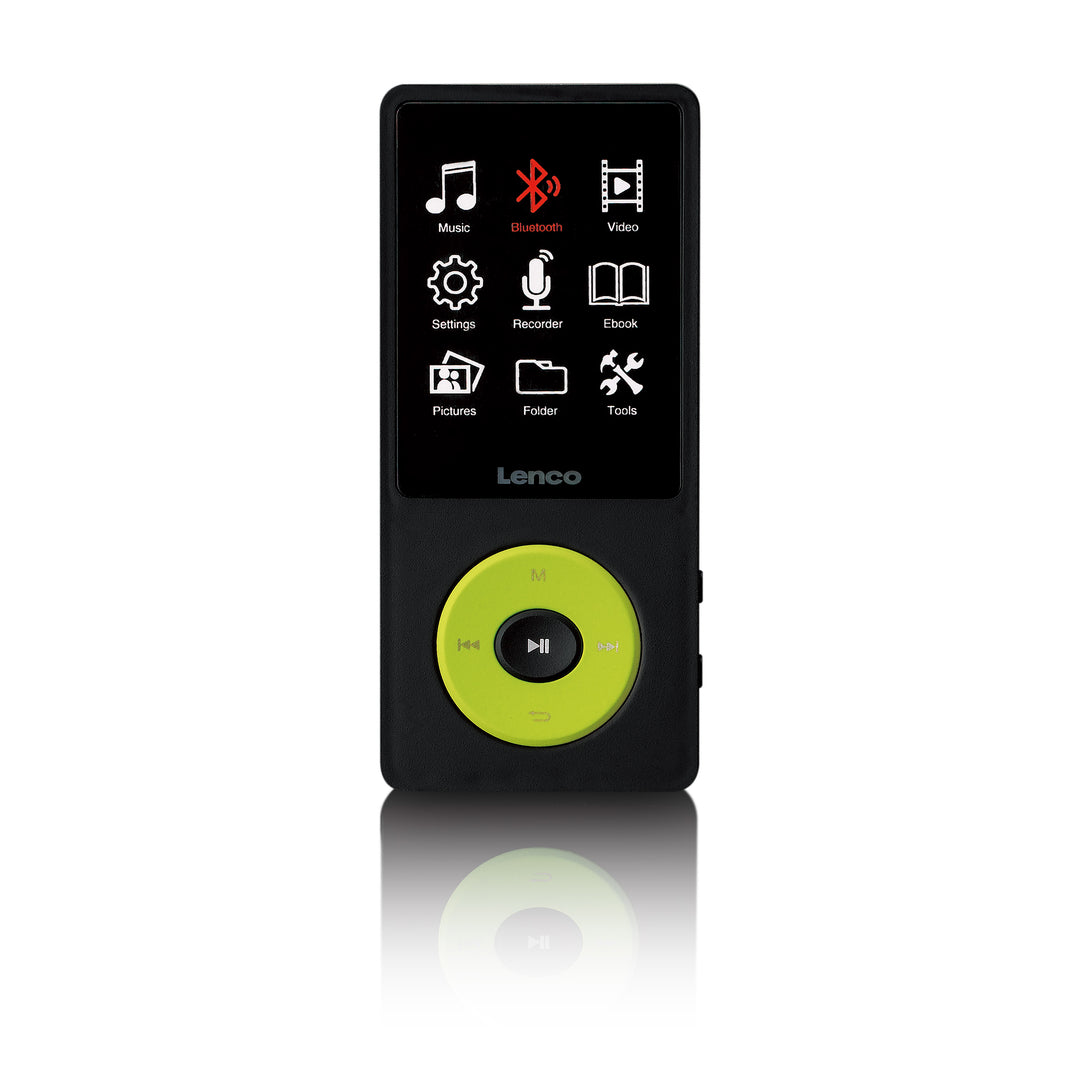
With the rise of portable MP3 players like the iconic iPod, music lovers could carry thousands of songs in their pockets, creating a personalized listening experience on-the-go. The convenience and accessibility of MP3 technology transformed how people interacted with music, leading to a shift from physical media like CDs to digital downloads.
Despite its impact on the music industry, MP3 also faced challenges such as piracy concerns and copyright issues. The debate over file sharing and illegal downloading raised questions about intellectual property rights and fair compensation for artists.
However, MP3’s legacy lives on as a standard format for digital audio compression. While streaming services now dominate the music landscape, the influence of MP3 remains evident in how we access and enjoy music today.
As technology continues to evolve, MP3 stands as a testament to innovation in audio encoding and distribution. Its journey from a groundbreaking invention to a ubiquitous format highlights the enduring impact of digital technology on our musical experiences.
6 Essential Tips for Managing and Organizing Your MP3 Collection
- Organize your mp3 files into folders for easy access.
- Use a reputable mp3 converter to ensure high-quality audio conversion.
- Regularly backup your mp3 collection to prevent data loss.
- Ensure your mp3 player is compatible with the file format before transferring files.
- Edit the metadata of your mp3 files for better organization and information display.
- Consider using a music management software to efficiently manage large collections of mp3s.
Organize your mp3 files into folders for easy access.
Organizing your MP3 files into folders is a simple yet effective tip to enhance your music listening experience. By categorizing your music collection based on genres, artists, albums, or any other criteria that suit your preferences, you can easily locate and access specific songs or albums with ease. This organizational method not only helps you stay organized but also allows for a more streamlined and enjoyable music browsing experience, ensuring that you can find the perfect tune for any mood or occasion effortlessly.
Use a reputable mp3 converter to ensure high-quality audio conversion.
When working with MP3 files, it is essential to use a reputable MP3 converter to guarantee high-quality audio conversion. By choosing a trusted converter, you can ensure that the integrity of the audio is maintained throughout the conversion process. This not only helps preserve the original sound quality but also enhances the overall listening experience for both creators and listeners. Selecting a reliable MP3 converter is key to achieving optimal results when converting audio files to the popular MP3 format.
Regularly backup your mp3 collection to prevent data loss.
Regularly backing up your MP3 collection is essential to safeguard your music library and prevent data loss. By creating backups of your files on external hard drives, cloud storage, or other devices, you can ensure that your favorite songs are safe and easily recoverable in case of computer crashes, hardware failures, or accidental deletions. Taking the time to back up your MP3s not only protects your music collection but also gives you peace of mind knowing that your cherished tracks are secure and accessible whenever you need them.
Ensure your mp3 player is compatible with the file format before transferring files.
Before transferring files to your MP3 player, it is crucial to ensure compatibility with the file format. Different MP3 players may support specific audio formats, so verifying compatibility beforehand can prevent playback issues and ensure a seamless listening experience. By checking the supported file types of your device and converting files if necessary, you can avoid potential frustrations and enjoy your favorite music effortlessly on your MP3 player.
Edit the metadata of your mp3 files for better organization and information display.
To enhance the organization and information display of your MP3 files, it is advisable to edit the metadata associated with each file. Metadata includes details such as song title, artist name, album title, genre, and track number. By accurately updating this information, you can easily categorize and search for songs in your music library. Additionally, editing metadata ensures that the correct information is displayed when playing the MP3 files on various devices or media players. Taking the time to edit metadata contributes to a more organized and enjoyable music listening experience.
Consider using a music management software to efficiently manage large collections of mp3s.
When dealing with large collections of MP3 files, it is advisable to consider utilizing music management software to streamline the organization process. These specialized tools can help users efficiently categorize, sort, and manage extensive libraries of music files, making it easier to locate and enjoy their favorite tracks. By leveraging music management software, individuals can enhance their listening experience and maintain a well-organized digital music collection with ease.