
Melodic Memories: Reflecting on Music Trends of 2019
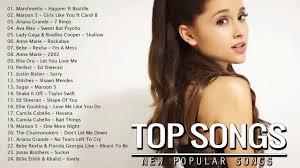
The Soundtrack of 2019: A Look Back at Music Trends
As we bid farewell to 2019, it’s time to reflect on the musical landscape that defined the year. From chart-topping hits to emerging genres, the world of music in 2019 was a vibrant tapestry of sounds and stories.
Rise of Streaming Platforms
One of the most significant trends in music this year was the continued dominance of streaming platforms. Services like Spotify, Apple Music, and Amazon Music reshaped how we consume music, making it easier than ever for listeners to discover new artists and create personalized playlists.
Diverse Voices and Genres
2019 saw a surge in diverse voices and genres making their mark on the music scene. From K-pop sensation BTS breaking records worldwide to the rise of Latin music with artists like Rosalía and Bad Bunny, this year showcased the power of cultural diversity in shaping musical trends.
Collaborations Galore
Collaborations were a staple of 2019, with artists teaming up across genres to create chart-topping hits. From Ed Sheeran’s collaboration with Justin Bieber on “I Don’t Care” to Lil Nas X’s viral sensation “Old Town Road” featuring Billy Ray Cyrus, these partnerships brought fresh energy to the music industry.
The Influence of Social Media
Social media continued to play a pivotal role in shaping music trends in 2019. Platforms like TikTok catapulted songs like Lizzo’s “Truth Hurts” to mainstream success through viral challenges, highlighting the power of online communities in propelling artists to stardom.
The Year of Female Empowerment
2019 was also marked by a wave of female empowerment in music. Artists like Billie Eilish, Lizzo, and Ariana Grande dominated charts and award shows, using their platform to advocate for gender equality and self-expression through their music.
In Conclusion
As we look back on the music trends of 2019, one thing is clear: diversity, collaboration, and empowerment were at the forefront of this transformative year in music. From streaming services reshaping how we listen to songs to artists breaking boundaries and defying genres, 2019 will be remembered as a defining moment in musical history.
2019: A Year of Genre-Bending Collaborations, Streaming Success, and Empowered Voices in Music
- Diverse range of music genres and voices showcased in 2019.
- Collaborations between artists across different genres led to innovative and chart-topping hits.
- Streaming platforms made it easier for listeners to discover new music and create personalized playlists.
- Social media platforms like TikTok played a significant role in promoting songs and artists.
- Female empowerment was a prominent theme, with women artists dominating charts and advocating for gender equality.
- Emerging artists found success through online platforms, showcasing the democratization of the music industry.
Challenges in the 2019 Music Scene: Repetition, Limited Exposure, and Streaming Impact
- Over-saturation of repetitive music trends leading to a lack of originality
- Limited exposure for niche or independent artists in the mainstream
- Increased reliance on streaming platforms may impact album sales and artist revenue
Diverse range of music genres and voices showcased in 2019.
In 2019, one of the standout aspects of music was the diverse range of genres and voices that took center stage. From the global phenomenon of K-pop to the resurgence of Latin music and the emergence of new sounds blending traditional genres with modern influences, the year was a celebration of musical diversity. Artists from all backgrounds brought their unique perspectives to the forefront, enriching the music landscape with a tapestry of sounds that resonated with audiences worldwide.
Collaborations between artists across different genres led to innovative and chart-topping hits.
In 2019, the music industry witnessed a notable trend where collaborations between artists from diverse genres resulted in groundbreaking and chart-topping hits. These innovative partnerships brought together unique styles and sounds, pushing boundaries and captivating audiences worldwide. From unexpected pairings to cross-genre experiments, these collaborations not only showcased the versatility of artists but also introduced fresh perspectives to the music scene, creating memorable tracks that resonated with listeners across various musical preferences.
Streaming platforms made it easier for listeners to discover new music and create personalized playlists.
In 2019, the advent of streaming platforms revolutionized the music industry by offering listeners unprecedented convenience in discovering new music and curating personalized playlists. With platforms like Spotify, Apple Music, and Amazon Music at their fingertips, music enthusiasts could explore a vast array of artists and genres with just a few clicks. This accessibility not only broadened musical horizons but also empowered users to craft tailor-made playlists that resonated with their individual tastes and moods, enhancing their overall listening experience.
Social media platforms like TikTok played a significant role in promoting songs and artists.
In 2019, the music industry witnessed a notable pro with the emergence of social media platforms such as TikTok, which played a pivotal role in promoting songs and artists. Through viral challenges and user-generated content, TikTok provided a unique avenue for music discovery, propelling lesser-known tracks to mainstream success and giving rising artists a platform to showcase their talent to a global audience. This innovative use of social media not only reshaped how music is shared and consumed but also highlighted the power of online communities in shaping musical trends and fostering artist growth.
Female empowerment was a prominent theme, with women artists dominating charts and advocating for gender equality.
In the music scene of 2019, female empowerment emerged as a prominent and empowering theme. Women artists took center stage, dominating the charts with their powerful voices and compelling lyrics. Through their music, these talented individuals not only entertained audiences but also served as advocates for gender equality and empowerment. Their influence went beyond melodies and rhythms, resonating with listeners worldwide and inspiring a new wave of inclusivity and representation in the industry.
Emerging artists found success through online platforms, showcasing the democratization of the music industry.
In 2019, emerging artists thrived by leveraging online platforms to reach a global audience, exemplifying the democratization of the music industry. Through platforms like SoundCloud, YouTube, and social media, talented musicians found success independently, bypassing traditional gatekeepers and connecting directly with fans. This shift empowered artists to control their own narrative, build loyal followings, and break into the mainstream without the need for major record labels. The accessibility of online platforms not only leveled the playing field but also highlighted the power of technology in fostering a more inclusive and diverse music landscape.
Over-saturation of repetitive music trends leading to a lack of originality
In the music scene of 2019, a notable con was the over-saturation of repetitive music trends that often resulted in a lack of originality. With certain sounds and styles becoming increasingly popular and commercialized, many artists found themselves following formulaic approaches rather than pushing boundaries and exploring new creative territories. This over-reliance on familiar formulas led to a homogenization of music, where unique voices and innovative ideas struggled to break through the clutter, ultimately hindering the emergence of truly original and groundbreaking works.
Limited exposure for niche or independent artists in the mainstream
In the music landscape of 2019, one notable con was the limited exposure afforded to niche or independent artists within the mainstream industry. Despite the growing accessibility of digital platforms, many talented musicians operating outside the commercial spotlight struggled to gain recognition and reach a wider audience. This lack of visibility for independent artists hindered diversity in musical offerings and deprived listeners of the opportunity to explore unique sounds and perspectives that often thrive outside the confines of mainstream trends.
Increased reliance on streaming platforms may impact album sales and artist revenue
The con of music in 2019 was the increased reliance on streaming platforms, which had a potential impact on album sales and artist revenue. As more listeners turned to streaming services like Spotify and Apple Music for their music consumption, traditional album sales saw a decline. This shift in how music is consumed not only affected the way artists earn revenue but also raised concerns about the sustainability of the music industry ecosystem. Artists faced challenges in monetizing their work through streaming royalties, highlighting the need for new models that fairly compensate musicians for their creative endeavors.