
Exploring the Timeless Beauty of Renaissance Music
The Rich Tapestry of Renaissance Music
The Renaissance period, spanning roughly from the 14th to the 17th century, was a time of immense cultural and artistic flourishing in Europe. One of the most captivating aspects of this era was its music, which reflected the spirit of innovation and creativity that defined the time.
Renaissance music was characterized by its intricate melodies, rich harmonies, and complex polyphony. Composers during this period sought to create works that were both technically sophisticated and emotionally resonant. Sacred music, such as masses and motets, played a significant role in the musical landscape of the Renaissance, with composers like Josquin des Prez and Giovanni Pierluigi da Palestrina producing masterpieces that are still revered today.
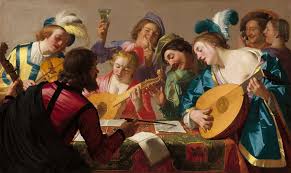
Instrumental music also flourished during the Renaissance, with composers exploring new forms such as the madrigal and the instrumental dance. The lute, vihuela, and harpsichord were popular instruments during this time, adding a new dimension to musical expression.
One of the defining features of Renaissance music was its emphasis on humanism and individual expression. Composers began to move away from purely religious themes and explore secular subjects in their works. This shift gave rise to a new wave of creativity and experimentation in music composition.
Today, Renaissance music continues to captivate audiences with its beauty and complexity. Its timeless appeal lies in its ability to transport listeners to a bygone era while still resonating with modern sensibilities. By exploring the rich tapestry of Renaissance music, we gain a deeper appreciation for the creativity and ingenuity of those who shaped musical history.
Exploring the Timeless Allure and Technical Mastery of Renaissance Music
- 1. Intricate melodies and rich harmonies create a captivating listening experience.
- 2. Complex polyphony showcases the technical sophistication of Renaissance composers.
- 3. Emphasis on humanism allows for exploration of secular themes in music.
- 4. Instrumental music flourishes with the introduction of new forms and instruments.
- 5. Timeless appeal that continues to resonate with modern audiences, bridging the past and present.
Challenges of Appreciating Renaissance Music in a Modern Context
- Limited availability of original recordings due to the historical nature of Renaissance music.
- Complexity of polyphonic compositions may be challenging for some listeners to appreciate.
- Lack of dynamic range and instrumentation compared to modern music genres.
- Historical context and themes in Renaissance music may not resonate with all contemporary audiences.
- Accessibility issues for those unfamiliar with the conventions and structures of Renaissance music.
- Relatively limited diversity in terms of cultural influences compared to more contemporary musical styles.
1. Intricate melodies and rich harmonies create a captivating listening experience.
The intricate melodies and rich harmonies found in Renaissance music elevate the listening experience to a truly captivating level. The meticulous craftsmanship and attention to detail displayed by composers of this era result in compositions that are not only technically impressive but also emotionally stirring. Each note and harmony intertwine to create a musical tapestry that engages the listener on a profound level, inviting them to immerse themselves in the beauty and complexity of Renaissance music.
2. Complex polyphony showcases the technical sophistication of Renaissance composers.
Complex polyphony in Renaissance music serves as a testament to the remarkable technical prowess and ingenuity of composers during that era. By intricately weaving multiple independent melodic lines together, Renaissance composers demonstrated their mastery of musical craftsmanship and their ability to create harmonious yet intricate compositions. The sophisticated interplay of voices in polyphonic works not only showcases the composers’ technical skills but also highlights their innovative approach to music composition, setting a high standard for musical complexity that continues to be admired and studied by musicians and music enthusiasts alike.
3. Emphasis on humanism allows for exploration of secular themes in music.
An intriguing aspect of Renaissance music is its emphasis on humanism, which opens the door to exploring secular themes in musical compositions. During this period, composers broke away from traditional religious constraints and delved into a wide range of secular subjects in their works. This shift towards humanistic ideals not only expanded the scope of musical expression but also allowed for a deeper exploration of individual emotions, experiences, and worldly topics within the realm of music. By embracing humanism, Renaissance musicians were able to infuse their compositions with a new level of creativity and personal expression that continues to resonate with audiences today.
4. Instrumental music flourishes with the introduction of new forms and instruments.
During the Renaissance period, instrumental music experienced a remarkable flourishing marked by the introduction of new forms and instruments. Composers of this era explored innovative musical expressions through genres like the madrigal and instrumental dance, pushing the boundaries of traditional composition. The inclusion of instruments such as the lute, vihuela, and harpsichord added depth and richness to musical performances, expanding the possibilities for artistic creativity and self-expression in ways that continue to inspire musicians and audiences alike.
5. Timeless appeal that continues to resonate with modern audiences, bridging the past and present.
One of the notable strengths of Renaissance music lies in its timeless appeal, which effortlessly transcends the centuries to resonate with modern audiences. The beauty and complexity of compositions from this era serve as a bridge between the past and present, offering a unique connection that speaks to the universal nature of music. By appreciating and embracing Renaissance music, listeners today can experience a profound sense of continuity with history while discovering how the melodies and harmonies of the past continue to captivate and inspire in the contemporary world.
Limited availability of original recordings due to the historical nature of Renaissance music.
The limited availability of original recordings poses a significant challenge when it comes to experiencing Renaissance music in its authentic form. Given the historical nature of Renaissance music, the scarcity of original recordings means that modern audiences often have to rely on interpretations and adaptations by contemporary musicians. This lack of direct access to the original performances can sometimes result in a diluted understanding of the nuances and intricacies of the music as it was intended to be heard during the Renaissance period. Despite this con, efforts to preserve and recreate Renaissance music through scholarly research and historically informed performances help bridge the gap between past and present, allowing listeners to appreciate the beauty and complexity of this musical heritage.
Complexity of polyphonic compositions may be challenging for some listeners to appreciate.
The complexity of polyphonic compositions in Renaissance music may present a challenge for some listeners to fully appreciate the intricacies and nuances of the music. With multiple interwoven melodic lines occurring simultaneously, it can be overwhelming for those unfamiliar with this style of composition to discern the individual voices and follow the intricate harmonies. This complexity may require a more attentive and trained ear to fully grasp the beauty and depth of polyphonic works, potentially limiting the accessibility of this aspect of Renaissance music to a wider audience.
Lack of dynamic range and instrumentation compared to modern music genres.
One notable con of Renaissance music is its limited dynamic range and instrumentation when compared to modern music genres. During the Renaissance period, the available musical instruments were more restrained in terms of variety and technical capabilities, leading to a somewhat uniform sound across compositions. The absence of advanced technology and recording techniques also restricted the ability to create dramatic shifts in volume and intensity within musical pieces. As a result, the dynamic range in Renaissance music may feel more subdued and less varied compared to the dynamic contrasts found in contemporary genres, where a wide array of instruments and production methods allow for greater sonic diversity and expressive possibilities.
Historical context and themes in Renaissance music may not resonate with all contemporary audiences.
The historical context and themes prevalent in Renaissance music may not always resonate with all contemporary audiences. The cultural, religious, and societal references embedded in the music of that era may feel distant or unfamiliar to modern listeners who come from diverse backgrounds and perspectives. While some may appreciate the historical richness and authenticity of Renaissance music, others might find it challenging to connect with themes that do not align with their present-day experiences. This potential disconnect highlights the importance of contextualizing and interpreting Renaissance music in a way that bridges the gap between its historical roots and contemporary relevance for a wider audience.
Accessibility issues for those unfamiliar with the conventions and structures of Renaissance music.
One significant con of Renaissance music is the accessibility issues it poses for those unfamiliar with the conventions and structures of this musical era. The intricate melodies, complex harmonies, and polyphonic textures characteristic of Renaissance music can be challenging for listeners who are not well-versed in its unique style. Without a deep understanding of the compositional techniques and historical context of Renaissance music, appreciating and fully engaging with its beauty and complexity may prove daunting for some individuals. This barrier to accessibility can limit the enjoyment and appreciation of Renaissance music for those who are not accustomed to its specific musical language and conventions.
Relatively limited diversity in terms of cultural influences compared to more contemporary musical styles.
During the Renaissance period, one notable con of the music produced was its relatively limited diversity in terms of cultural influences compared to more contemporary musical styles. The compositions of the time were primarily rooted in European traditions and did not reflect the diverse range of musical influences present in today’s music. This lack of cultural diversity may have restricted the exploration of new sounds and inhibited the incorporation of different musical elements from around the world. Despite this limitation, Renaissance music still holds a special place in history for its unique characteristics and contributions to the evolution of music as an art form.